Thinking About Studying Psychology Online?
Explore online psychology degree options, including program types, accreditation, costs, career pathways and what to check before choosing a course.
Read The Online Psychology Degree GuideGo Ahead, Enjoy Your Memes:
They Really Do Help Ease Pandemic Stress
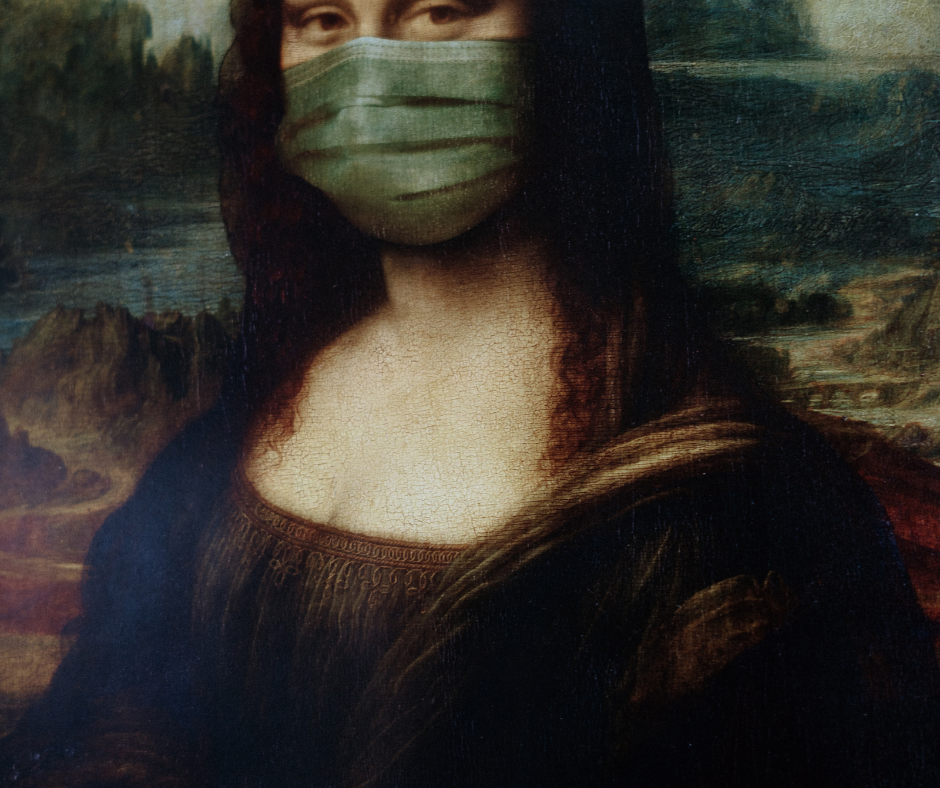
Zoom meeting after Zoom meeting, while trying to feed, entertain and beg-to-sleep an infant whose day care had closed, I needed a break but couldn’t really take one in April of 2020.
Enter memes. Between work, moving the laundry and taking care of my own dogs, I could sneak a peak at Instagram and chuckle at images of very excited pups, psyched that their humans were now home all day, every day.
I study media processes and effects, which is the psychology of how media messages can affect you. As the pandemic dragged on, I got more and more interested in how people were using social media – and memes featuring cute and funny pics, in particular – as a way to think and communicate with others about life during a global pandemic.
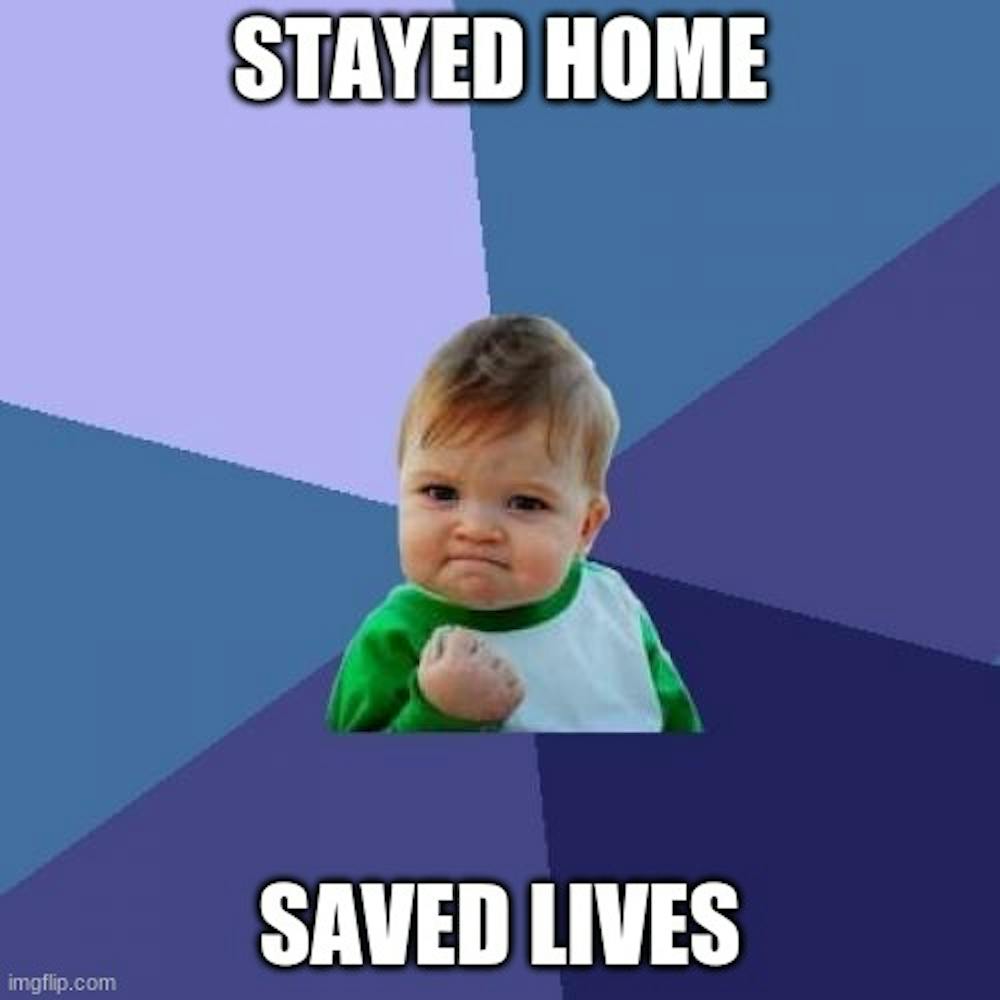
Memes are little units of culture that spread from one person to the next. They have existed since long before the birth of the internet, but digital technology adds new dimensions, given the ease of creating, editing and sharing memes online. Popular internet memes often develop their own names, such as “Distracted Boyfriend,” “Squinting Woman” and “Handshakes.”
I partnered with colleagues Robin Nabi and Nicholas Eng to investigate the potential effect of mini meme breaks on people’s pandemic stress and emotions.
A meme experiment
The first step in our research was combing through hundreds of real memes we found in the wild on social media. We asked participants to rate them for how funny and cute they were, as well as how authentic they seemed as popular internet memes.
Using that data, we developed two pools of memes using the same images: One set had captions about COVID-19 and another set had captions unrelated to COVID-19.
In our main study, we recruited nearly 800 participants to view a series of images using online survey software. One group saw the COVID-19 memes, while a second group saw the memes not about COVID-19. A third group saw image-free plain text that summarized the general idea of the memes, but was not in the least bit funny.
Then, no matter which set of content our participants saw, everyone next answered questions about how they felt in that moment. We asked particularly about how they felt about COVID-19 and their ability to cope with pandemic stress.
Memes as mood boosters
People who viewed just three memes rated themselves on a 1-7 scale as calmer, more content and more amused compared with people who didn’t see the memes. For instance, people who saw memes scored, on average, a 4.71 on our positive emotions scale, compared with an average of 3.85 for those who did not see a meme. In short, viewing a few cute or funny memes – regardless of their topic – provided a quick boost of positive emotion for many people.
Moreover, we found that participants who rated themselves higher on the positive emotion scale were also more likely to feel confident in their ability to handle the stress associated with living through a global pandemic. There seems to be value in reframing something that is constantly stressful and scary into a more approachable topic by using humor.
The topic of the memes mattered. People who viewed memes about COVID-19 rated themselves as less stressed about life during a global pandemic. Those who saw COVID-19-related memes also reported thinking more deeply about the memes and their meaning – what media psychologists call “information processing.” More information processing was related to more confidence in their abilities to handle pandemic-related stress. It’s possible that exerting more effort thinking about the topic could lead to mentally rehearsing ways to cope with the related stress, instead of avoiding it entirely.
This work adds to a growing body of research demonstrating that people use media to help them deal with stress. For example, my collaborator Robin Nabi has found in previous work that using media – whether television, books or social media – is one of the top strategies for managing stress. In her surveys of college students and breast cancer patients, people who choose media for stress management reported it as an effective way to cope.
Together, these studies suggest that media use is not always the stress-inducing experience or waste of time that it is sometimes portrayed to be. Instead, it likely depends on the specific type of media message you are consuming, the type of person you are and the situation in which you are consuming it.
The pandemic, with its accompanying restrictions on travel, work and socializing, has been an uncommonly stressful time. Taking a break to view and share bits of cute or funny pop culture commentary in the form of COVID-19-related memes can be a quick and easy way to connect with others and address pandemic stress head on through laughter.
[Get our best science, health and technology stories. Sign up for The Conversation’s science newsletter.]
Jessica Myrick, Professor of Media Studies, Penn State
This article is republished from The Conversation under a Creative Commons license. Read the original article.
Psychology Memes
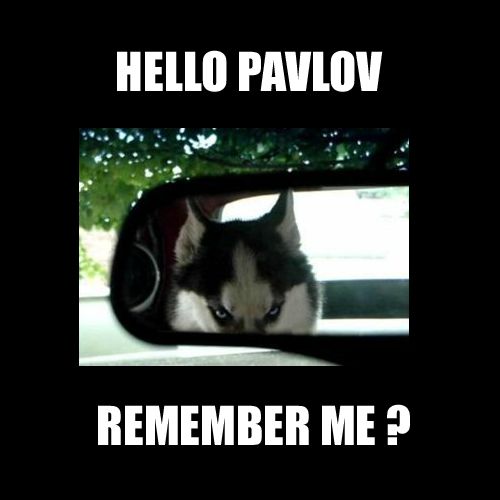
Click Here to see 10 great memes psychology students will love.

Recent Articles


-
The Psychology of Financial Self-Control and Money Habits
Sep 22, 26 10:29 AM
 Learn how financial self-control works, why emotions and immediate rewards affect spending, and how better money habits can be built over time.
 -
How to Stay Calm When Everything Changes
Sep 15, 26 09:11 AM
 Uncertainty and sudden life changes don’t have to trigger constant anxiety. Learn simple habits to release control and stay calm through transitions.
 -
What Is Autistic Inertia?
Sep 14, 26 11:38 AM
 A prominent sign of autism, getting stuck on something, now has an official name: “autism inertia.” Discover types, signs, and tips in the article.
Please help support this website by visiting the All About Psychology Amazon Store to check out an awesome collection of psychology books, gifts and T-shirts.
 |
 |