How Everyday Play Helps Children With Down Syndrome Build Skills
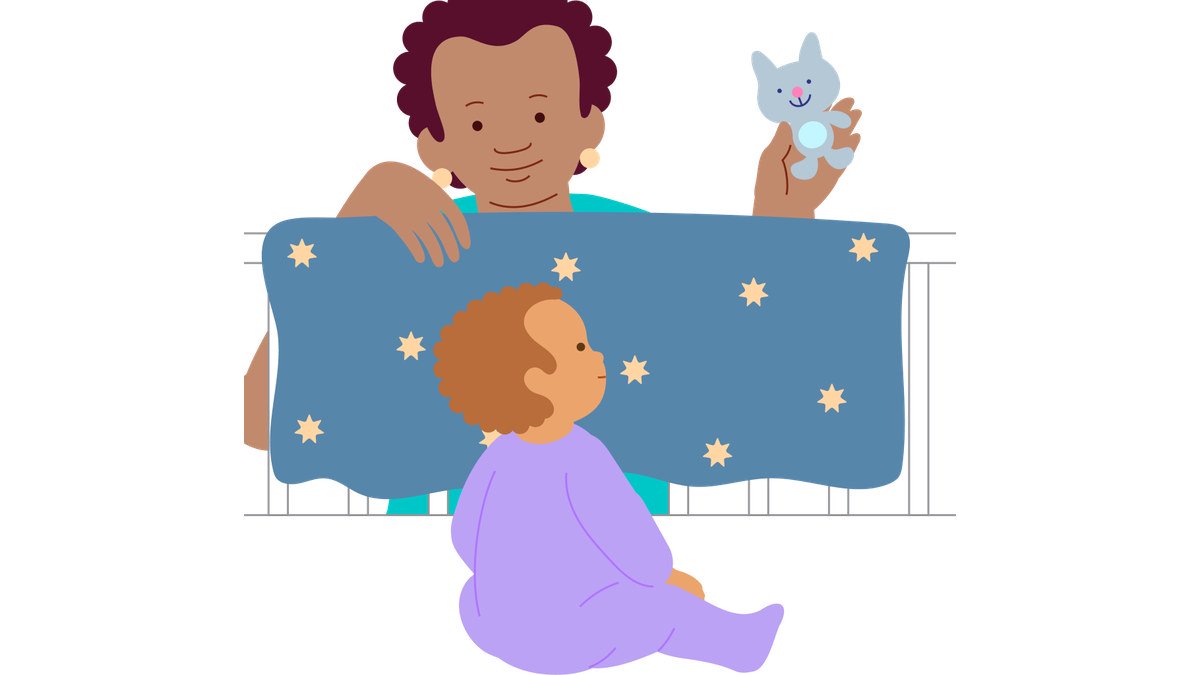
Play is often treated as a break from learning. In developmental psychology it is closer to the opposite. For young children, play is one of the main ways thought, language, movement and social understanding take shape. That is especially relevant for children with Down syndrome, who often learn best through repetition, familiar routines and short, enjoyable exchanges rather than through formal instruction.
A child can usually do more with a supportive adult than alone. The adult’s job is not to turn every moment into a lesson, but to offer a small amount of help, then step back. A parent who waits, names what the child is doing, and leaves a pause is already teaching.
Children with Down syndrome are not a single profile. Many have relative strengths in social interest and in learning from people they trust. Motor skills, spoken language and processing speed may develop more slowly. None of this means play has to wait until a child “catches up”. It means the activity should be brief, familiar and under the child’s control. Ten minutes of shared attention often teaches more than a long session that ends in frustration.
A good play-based method does what a good adult does at home: it takes a real situation and cuts it into small, repeatable moments. A trip to the shop, a playground, the morning routine, a queue — not a lecture, but a scene the child can go through again, at their own pace, without a score. A social story works in the same way. The child can see what is happening, whose turn it is, and what comes next.
Household routines are an underused classroom. Getting dressed, washing hands, setting a cup on the table or putting toys into a box all involve sequences, words and motor planning. If a parent slows the routine down, uses the same short phrase each time, and leaves space for the child to join in, the task becomes practice without looking like homework. Turn-taking is the same skill whether it happens with a toy, a spoon, or a song.
A few simple examples work across ages, as long as they are adapted to the child:
- Offer one object, then wait. Notice whether the child looks, reaches, vocalises or turns away. Following that cue is more useful than adding a second toy.
- Echo a sound the child has just made, add one word, and pause. This supports communication without demanding speech.
- Use a familiar box and one toy to explore “in”, “on” and “under”. Location words are easier to learn when the child can see and feel them.
- Invite the child into a real home task, such as placing a sock in a basket. The point is participation, not a perfect result.
- Look at two or three family photographs together. Naming familiar people links language to attachment, not to flashcards.
The adult’s pace matters more than the activity. If the child looks away, pushes the object aside or becomes still, that is information. Stop, simplify, or try another day. Pressure turns play into performance, and performance is a poor teacher.
A screen can hold the same pattern if it does not replace the adult. App 321 Playsy, for example, turns everyday and social situations into short moments of practice: the child goes through a scene at their own pace and can repeat it. That is not a programme instead of a parent. It is the same principle — a small scene, a repeat, a pause — in a form some children will return to. Professional speech, occupational or educational support remains important. Home play, and a short play scene, give extra chances to practise in a setting the child already trusts.
Parents who want short, practical starting points can find practical play-based activities for children with Down syndrome collected as everyday moments. They are not individualised medical advice. They are invitations: one idea, one pause, and permission to stop.
The most useful claim is a modest one. Skills grow in relationships. For children with Down syndrome, the most powerful teaching tool in the house is often not a programme, but a familiar adult who plays, waits, and tries again tomorrow.
Know someone who would be interested in reading How Everyday Play Helps Children With Down Syndrome Build Skills.
Share this page with them.