How to Avoid Emotional
Decision-Making When Facing Expensive Home Repairs
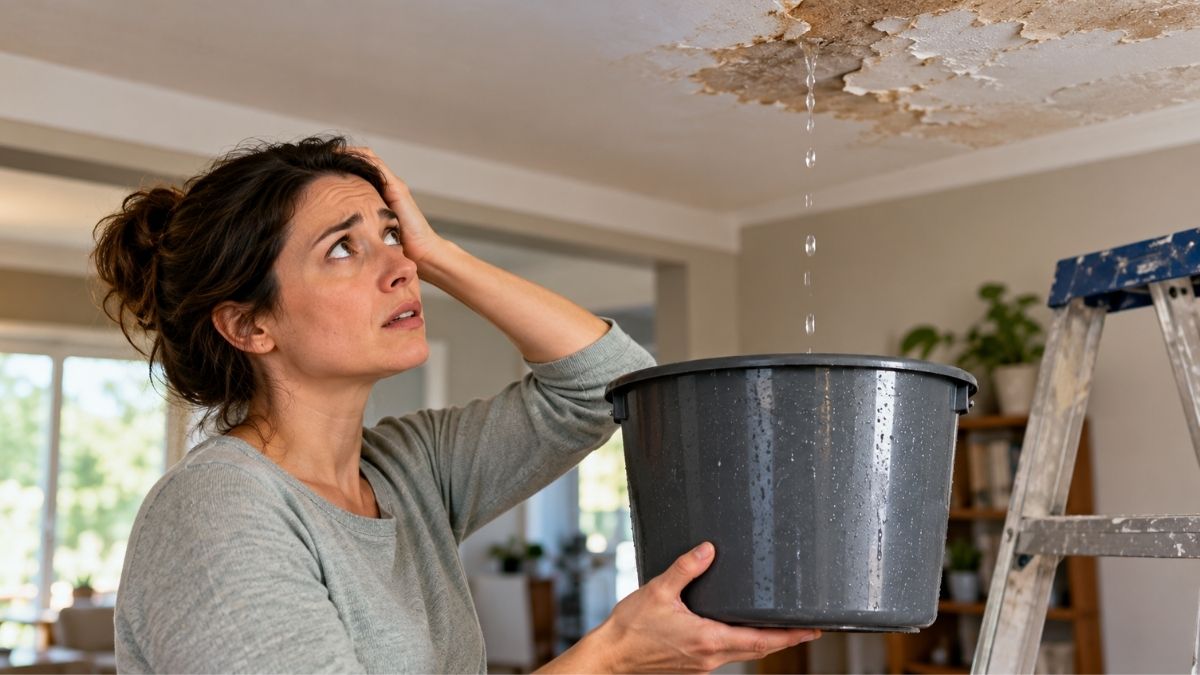
You notice a brown patch on the bedroom ceiling. It's small, barely the size of your hand, so you tell yourself you'll look into it over the weekend.
Then it rains again.
By Monday morning, the patch has spread, the paint is peeling, and you've got a bucket on the floor catching water. A roofer comes out, climbs into the attic, and gives you a repair estimate that makes your stomach sink.
Wonderful. Another expense you hadn't planned for.
The first thing you want is for someone to fix it. You don't particularly care how, as long as the dripping stops and you can get back to normal life. That's where things can go wrong.
When there's something broken in your home, especially something expensive, it's surprisingly easy to confuse getting relief with making a good decision. They're not always the same thing.
The Repair Isn't Always What You're Upset About
Of course, nobody enjoys spending thousands of dollars on a roof or a plumbing system. There's nothing exciting about paying for something that worked perfectly well last week.
But the money isn't always the worst part.
Sometimes it's the timing. You've finally managed to build up some savings, and now a contractor is explaining why half of it needs to disappear. Other times, it's the uncertainty. The plumber says there's probably more damage behind the wall, although nobody will know until it's opened up. That word, probably, can make a bad afternoon considerably worse.
And maybe you're just annoyed. You've been careful with money, you've kept up with maintenance, and the house has still found a way to surprise you. It's worth noticing which of those feelings is strongest before agreeing to anything expensive.
If you're worried about hidden damage, ask what inspections would help clarify the problem. If the price is what frightens you, get another estimate. If you're simply frustrated, acknowledge that before making a decision you can't easily undo.
You don't need to pretend you're calm. You just need to know when your mood is doing some of the thinking for you.
Find Out What Actually Has to Happen Today
A contractor telling you there's a serious problem doesn't necessarily mean you have to approve the entire repair that afternoon.
Some things genuinely can't wait.
If water is pouring through the ceiling, an electrical fixture is sparking, or there's reason to suspect structural instability, protecting people and preventing further damage comes first. Depending on the problem, that may mean leaving the affected area and calling an appropriate professional.
But the immediate response and the permanent solution can be two different decisions. Take that leaking roof. It may need temporary protection right away, while choosing between a localized repair and a much larger replacement requires a proper inspection.
The distinction can save you from making an enormous commitment when you're still trying to work out what's happened. And what about the things that aren't dangerous? A cracked countertop, an old bathroom vanity, or a noisy appliance that still works may be irritating. That doesn't automatically make them urgent.
Sometimes the sensible decision is to leave something alone for another month.
A Large Estimate Deserves More Than a Quick Glance
There's a particular kind of silence that follows an unexpectedly large repair quote.
You read the number. You look at the contractor. Then you read it again, hoping you've misunderstood something. Maybe the quote is reasonable. Maybe it isn't. The problem is that you probably don't have enough information yet to know. Ask for the work to be broken down. What exactly is being replaced? Can the damaged part be repaired? Are there different materials available? What happens if the contractor discovers another issue halfway through?
Don't worry about asking questions that sound basic.
Most homeowners aren't experts in roofing, foundations, or heating systems. You're hiring a professional partly because you don't have that knowledge yourself. And unless there's an immediate safety concern, you can take time to consider the answers.
You might sleep on it and reach the same conclusion the following morning. That's fine. At least you'll be making the decision after the initial shock has worn off.
Get Another Quote Before You Get Attached to a Solution
Finding a contractor who turns up on time, seems knowledgeable, and explains things without talking down to you is a relief. You might even find yourself hoping their quote is the right one because the thought of starting the search again is exhausting.
Still, for a major repair, another opinion is usually worth the effort. Suppose one contractor says your entire air conditioning system needs replacing. Another thinks a repair could keep it running for a few more years.
That doesn't automatically mean one is trying to overcharge you. They may be weighing the system's age, condition, and future reliability differently. But wouldn't you rather understand those differences before spending the money? Try to get two or three written estimates when the repair can safely wait. Compare the actual work being offered, not just the numbers at the bottom.
A lower quote might exclude disposal fees or necessary finishing work. A higher quote might include a stronger warranty or materials that are better suited to your home.
And if an estimate seems unusually cheap, ask why. You want a repair that holds up, not another problem to deal with six months later.
Work Out What You Can Afford on an Ordinary Tuesday
When you're dealing with a broken water heater or a damaged roof, it's easy to think about money differently.
You start bargaining with yourself.
You could use the vacation savings. You could put the repair on a credit card. You could take out a loan and worry about the payments later. The thing is, later arrives pretty quickly. A repair that feels like an emergency today becomes an ordinary monthly expense once the work is finished. You'll still need to buy groceries, pay insurance, cover utility bills, and deal with everything else that costs money.
So look at your finances as they actually are.
How much could you take from savings without leaving yourself short? What other bills are coming up? Would borrowing leave enough breathing room in your monthly budget? If the repair is substantial, you might compare personal loans, contractor financing, and home equity loans. There's a lot to consider beyond whether the monthly payment looks affordable. With a home equity loan, eligible homeowners borrow against the equity they've built in their property. The home is used as collateral, which means falling behind on payments could put it at risk.
Interest, fees, and the length of the repayment period can also make a significant difference to the total amount you pay. Maybe borrowing makes sense for your situation. Maybe using part of your savings would be better.
Either way, a decision that looks good during a stressful afternoon should still make sense when life is back to normal.
Don't Mistake Someone Else's Deadline for Your Emergency
A contractor tells you they can offer a discount, but only if you sign before the end of the day. You weren't planning to decide that quickly. Still, losing the discount feels like throwing money away.
It's an uncomfortable position to be in.
Now, there are legitimate reasons why a contractor's schedule or pricing might change. Materials can become more expensive, and available work slots don't stay open forever. But a sales deadline isn't the same as a safety issue. If you're being pushed to approve work you don't fully understand, ask for the details in writing. Find out what happens if you wait. If necessary, get another professional opinion.
And don't let embarrassment stop you.
You're the person who'll be paying the bill long after the contractor has packed up their tools.
Be Honest About What's a Repair and What's a Wish List
Here's how a bathroom repair can get expensive.
The floor needs replacing because of water damage. Fair enough. But once the old flooring is removed, the vanity starts looking tired. Then someone mentions that replacing the shower at the same time could be convenient.
Before you know it, you're choosing tiles for a bathroom renovation you hadn't even wanted last month. Some additional work genuinely makes sense. If the walls are already open, there may be a good reason to deal with aging plumbing before everything gets closed up again.
But a new mirror or a nicer vanity is a different conversation. Maybe you want those things. Nothing wrong with that. Just give yourself permission to want them later. Ask whether the additional work prevents another likely expense, saves meaningful labor costs, or simply makes the room look better.
That last reason is perfectly valid when you've planned and budgeted for it. It's less convincing when you're already stretching your finances to handle an emergency.
Make the Next Surprise a Little Less Painful
Once the repair is finished, you'll probably want to forget the whole experience.
Understandable.
Nobody wants to spend their Saturday organizing appliance warranties or checking when the water heater was installed.
Still, a few small habits can help.
Keep a record of the repairs you've had done and the contractors you'd happily hire again. Pay attention to the age of major appliances and household systems. If possible, put a little money aside regularly for maintenance.
It might only be a modest amount at first. But there's a real difference between discovering a problem with absolutely no money available and knowing you've got something set aside. You won't avoid every unexpected expense. Homes aren't that cooperative.
What you can do is give yourself more options when something breaks.
You Don't Have to Feel Calm to Make a Sensible Choice
There's no magic trick that makes a five thousand dollar repair bill pleasant.
You can gather three estimates, check your savings, ask all the right questions, and still feel frustrated about spending the money.
That's okay.
The aim isn't to stop caring or somehow become completely unemotional about your home. It's to notice when worry is pushing you toward a quick answer, especially one that creates a bigger financial burden than necessary. Handle the dangerous stuff first. Get a clearer picture of what needs repairing. Understand the price and what you're agreeing to. Then decide how to pay without forgetting about the rest of your life.
The roof might still need fixing. The bill might still hurt.
But at least you'll know the decision came from understanding the problem, not simply wanting the stress to disappear.
Know someone who would be interested in reading How to Avoid Emotional
Decision-Making When Facing Expensive Home Repairs.
Share this page with them.