The Blame Game: How Psychology Shapes Public Reactions to Injuries on Government Property
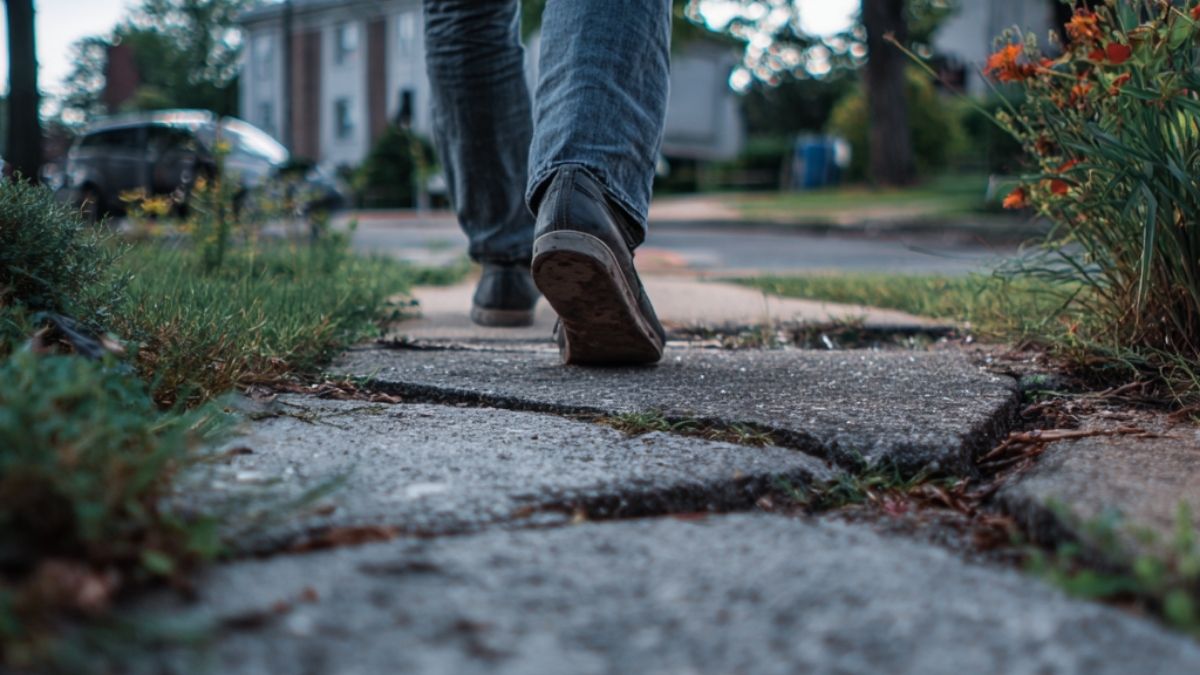
Picture this: you're walking through a city park when your foot catches on a broken section of pavement. You fall hard, scrape your hands, twist your ankle, and feel more embarrassed than anything else. A few nearby people glance over, but no one stops. You get up, brush yourself off, and limp away, focused on avoiding attention rather than asking, “Why wasn’t that sidewalk fixed?”
Scenarios like this happen every day in public spaces—on sidewalks, stairwells, transit stations, and government buildings. The reactions they provoke vary widely. Some blame themselves. Others question the hazard. Many let it go, believing that reporting it would be pointless.
What drives these different responses?
Psychological patterns influence how people interpret injuries in public settings. From how we assign blame to how we perceive risk, mental habits shape our decisions in the aftermath of accidents. This article explores the psychological frameworks and the less visible forces that shape whether individuals seek help, take action, or remain silent after being hurt on government-managed property.
The Psychology of Blame: How We Assign Responsibility
When someone slips on an icy sidewalk or trips over a loose tile in a city building, the first response is usually emotional—pain, embarrassment, or confusion. What happens after that often depends on who is assigned blame.
Psychologists call this attribution theory: the process by which people explain the causes of events. In accidents, this often involves a split between internal (“I wasn’t paying attention”) and external (“This should have been fixed”) attributions.
Some tend to blame themselves, especially if they’ve been conditioned to avoid conflict or are naturally self-critical. Others are more readily able to identify external factors, particularly if they expect public environments to be maintained safely.
Cultural context plays a role, too. In areas where public institutions are seen as ineffective or unresponsive, people may not bother to report hazards. In other settings, individuals might be more inclined to expect accountability.
Many people aren’t sure what to do after experiencing injuries on government property, often questioning whether the fault lies with them or the city. This uncertainty influences whether they document the incident or seek support.
Understanding how we assign responsibility helps explain why so many public accidents go unreported. Beliefs about fairness, trust, and personal responsibility are central to that process.
Risk Perception and Environmental Blind Spots
People move through familiar public places without consciously assessing the risks around them. Whether walking into a library or crossing a plaza, safety is usually assumed.
This mental shortcut is tied to risk perception: the way individuals judge the likelihood of harm in a given setting. Unlike measurable danger, perceived risk is shaped by emotion, habit, and context.
Public property tends to fall into a mental category of presumed safety. Many assume that city infrastructure is regularly inspected, which leads to complacency. Hazards like cracked pavement or dim lighting may be noticed but not registered as urgent concerns.
Environmental psychology sheds light on this. Over time, people become desensitized to the flaws in their surroundings. A broken step or sloped curb becomes part of the background, ignored until someone unfamiliar stumbles and gets hurt.
This normalization delays hazard reporting and increases the chances of injury. A better understanding of risk perception helps explain why unsafe conditions persist, even in spaces designed to be safe.
Learned Helplessness and the Decision to Act
Not every injured person stays quiet because they think the injury is minor. In many cases, their inaction is shaped by a psychological pattern known as learned helplessness—a belief that action won’t make a difference.
This mindset often develops after repeated experiences in which speaking up led to no results. Over time, individuals may stop expecting change, even when it’s possible. For example, someone might fall on a loose step at a municipal building but decide there’s no point in filing a complaint, assuming nothing will be done.
Power dynamics can reinforce this belief. Government systems are often viewed as bureaucratic and difficult to navigate. The idea of starting a claim or reporting a hazard may feel intimidating or futile.
Social norms also contribute. Some people are raised to believe that complaining—even when justified—is disruptive. Others fear being seen as overreacting or litigious. These beliefs make it easier to ignore injuries or chalk them up to bad luck.
Feeling powerless doesn’t mean people don’t care. Often, frustration exists beneath the surface, but a lack of confidence in the outcome overshadows it. Recognizing this behavior as learned helps explain why silence can follow even serious incidents.
Social Proof, Shame, and Seeking Justice
The people around us often influence reactions to injury. The presence of others can shape whether someone speaks up, seeks help, or minimizes the situation.
This is where social psychology comes into play. One key concept is social proof—the tendency to mimic others' behavior in uncertain situations. If someone falls in a public building and bystanders barely react, the injured person may downplay the incident as well.
Shame is another powerful factor. Public falls can trigger embarrassment, even when the fault lies elsewhere. Without a supportive reaction from those nearby, individuals may internalize the event and try to move on quickly without reporting it.
That emotional response can linger. Even days later, someone might question whether their injury was worth addressing or if anyone would take them seriously. The presence or absence of compassion in the moment often shapes that decision.
These social dynamics strongly influence whether a person chooses to speak out. Fear of being judged, dismissed, or misunderstood is often enough to prevent someone from taking action, even when the system might support them.
Conclusion
Reactions to accidents in public spaces are shaped by more than the physical event itself. Deep psychological patterns—blame, risk perception, helplessness, and social influence—guide whether someone takes action or remains silent.
Recognizing these responses allows for more thoughtful conversations about public safety and accountability. It highlights that injuries on government-managed property aren’t always treated as legal or civic issues but often as private, emotional experiences.
By understanding the mental processes behind these moments, we can better support those affected and encourage systems that respond more effectively to everyday harm in public spaces.
