5 Things About How the Brain Processes Pain
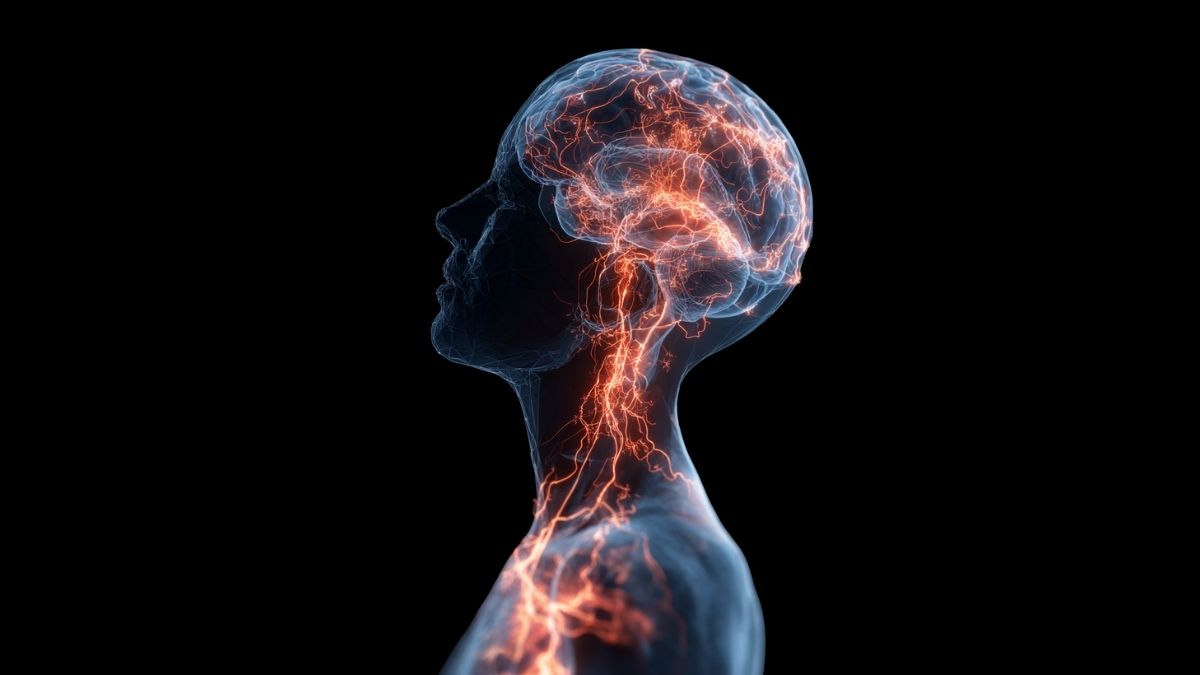
Whenever you feel pain, the sensation is immediate. Even though you might’ve burned your hand or pricked your finger, you felt it as soon as it happened, right? And you know that you actually ‘feel’ that pain inside your brain, not where you’ve hurt yourself.
Fascinating, isn’t it?
Your whole body snaps to attention before you even realize what happened. It feels automatic, like the pain came from the injury itself, but actually, something else is happening. What you call ‘pain’ is basically your brain trying to process a flood of signals and deciding how loud the alarm should be.
Everyone forgets that part.
You grow up thinking that you get hurt and it hurts, that’s it.
But according to science, that’s not the case. At least, it’s not that simple. It’s your brain that’s the ‘brain of the operation’, and it’s the brain that decides/chooses how to interpret all the signals your body sends/receives; then, and only then, will your brain build that experience you know and feel as ‘pain’.
Key Findings
Pain in itself isn’t comfortable. But it feels simple enough. Turns out – it’s not simple at all.
Your brain doesn’t just receive the signals you’ve been hurt and then do its thing. It processes those signals, it compares them, it filters them, and then after all those computations, it decides what those signals even mean in terms of your (your body’s) safety.
Here’s what happens:
Turning Signals into Pain
When you get hurt, your nerves are quick to react, but they’re not the ones creating the feeling of pain. They send raw information up (heat, pressure, possible damage), and then your brain takes those signals and turns them into something you can process.
The whole experience starts in the skin or tissue, moves through the spinal cord, and ends in different areas of the brain, where each has a part to play.
One area figures where the pain is coming from, another decides how strong it is, then another adds the emotional weight to it (that’s why you feel upset).
So in essence, you don’t feel the injury, but the brain’s interpretation of what happened.
Emotions Change What Pain ‘Feels’ Like
When stressed and/or scared, the brain becomes more sensitive and reads pain signals as more intense.
When you’re calm, your brain doesn’t see that big of a threat, and it lowers the impact of those signals.
The feeling of hurt will be higher or lower based on your current emotional state. This has to do with the fact that your brain doesn’t know what’s happening to you; rather, it takes the signals it receives and tries to decipher them as best it can. And while it does an amazing job most of the time, sometimes, when it isn’t sure, it might mistake you being stressed out as being in danger.
It’ll administer a more intense feeling of pain as a result.
Paying Attention
When you pay attention to pain, it’ll feel more intense.
When your mind locks onto a painful area, the brain increases its focus on the signals that are coming from that particular spot.
Here’s a quick example:
You had a road rash bicycle injury in Chicago. It hurts, but it’s manageable. You decide to go to the ER at Highland Park to make sure everything’s fine. You won’t go to a closer hospital because your doctor is at Highland Park. Fine, but that’s approximately a 45-minute drive.
What happens in those 45 minutes is up to you. Your mind might start to wander, thinking about what happened, about you needing to call a lawyer, whose fault it was, will you be able to get any compensation if it was somebody else's fault – things like that.
And while your mind is occupied, the pain will ‘feel’ mild. You might not feel pain at all.
But the thing is, the pain is there constantly; it never goes away.
And as you get closer to the doctor’s, the same pain you barely felt will start hurting MUCH more noticeably.
Your brain often gives priority to whatever else is happening; it can’t really focus on everything at once. So if you want to reduce the amount of pain you feel, pay attention to something else. Get your brain busy with something else and notice how it starts hurting less and less.
Why Expectations Shape the Pain You Feel
Your brain is constantly trying to predict what’s about to happen, and those predictions change how you feel pain. If you expect something to hurt, the pain can feel stronger because your brain is already preparing for it. If you expect relief, your brain might turn the intensity down even before anything happens.
That’s why placebo effects work.
Belief alone can lower pain because it changes brain activity. The opposite, called the nocebo effect, can also happen, where negative expectations make the pain worse.
How Your Brain Turns Pain Up or Down
Your brain listens to pain signals, but that’s not all it does.
It also sends instructions back down the line, and that acts like volume control. If there’s an emergency, your brain might turn the pain down so you can move or protect yourself. Later, once things have calmed down, the pain comes back in its full effect.
This process can be different for different people, but what affects it is long-term stress and/or repeated injuries. This is also the reason why some people become more sensitive to pain as time goes on.
Basically, your brain never really stops adjusting the level of pain because it’s continuously (and always) trying to figure out what you need at that particular moment; it doesn’t rest.
Conclusion
Pain, while scary, is actually really interesting, and the entire process of how your brain processes pain and distributes it is extremely fascinating.
Your brain is basically a control center that continuously runs without rest, and it scans EVERYTHING (e.g., your life, your memories, mood, touch, feel, thoughts, experiences, etc.), and when you feel what we call pain, it’ll deliver just the right amount of pain to send the right message it intended to send.
And while sometimes that pain might be barely noticeable (even though you expected it to hurt a lot), and on other times the pain is unbearable (even though there’s no rational reason to feel that much pain), remember – it’s never random; there’s always a reason. You just need to find out what it is.
