Thinking About Studying Psychology Online?
Explore online psychology degree options, including program types, accreditation, costs, career pathways and what to check before choosing a course.
Read The Online Psychology Degree GuideHistory of Psychology
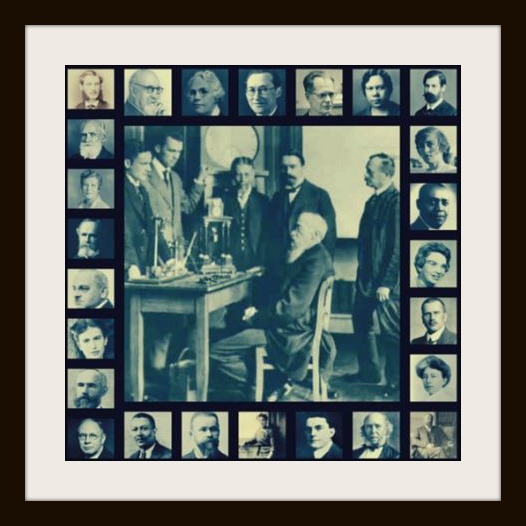
"Only by exploring psychology's origins and studying its development can we see clearly the nature of psychology today. Knowledge of history brings order to disorder and imposes meaning on what appears to be chaos, putting the past into perspective to explain the present."
Duane P. Schultz & Sydney Ellen Schultz
The history of psychology is a fascinating topic in its own right; full of intrigue, controversy, irrepressible characters and profoundly influential insights into human behavior. This page will seek to showcase the discipline's pioneers, schools of thought and pivotal studies.
There are many important landmarks in the timeline of psychology - here are just a few.
Pioneers

See following link to learn about the life and work of psychology's most eminent pioneers.
Classic Articles
The All-About-Psychology.Com classics collection offers free full-text access to the most important and influential journal articles ever published in the history of psychology, including contributions from the most eminent psychologists of the 20th century. You can check out the classics collection via the following link.
Classic Psychology Journal Articles
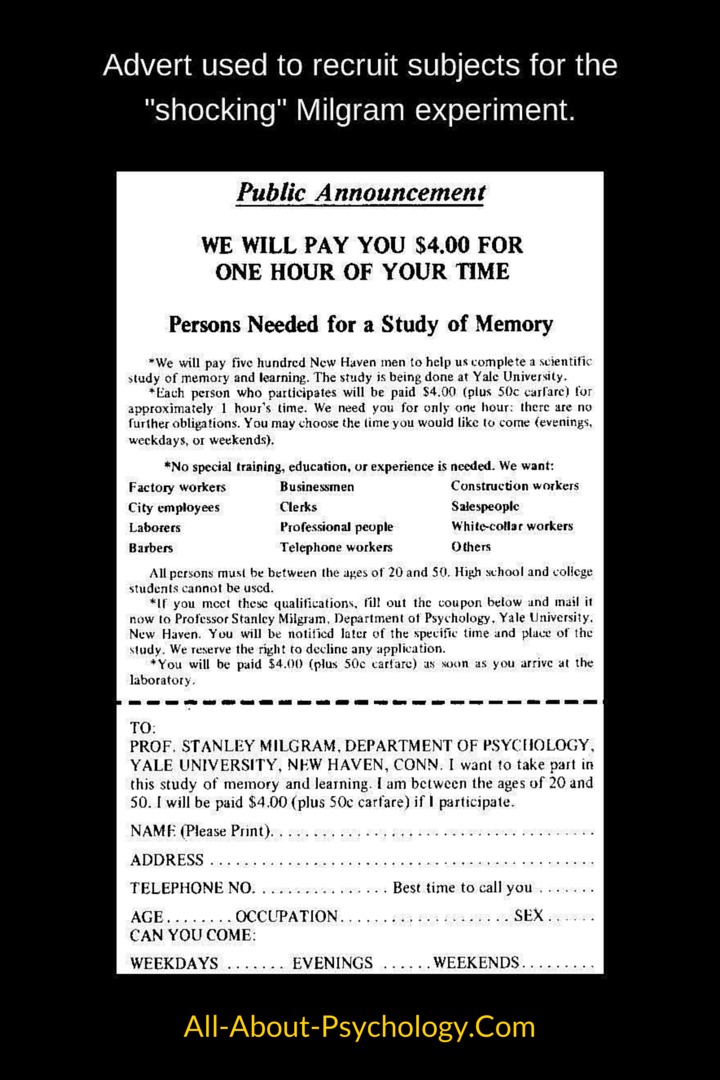
See following link for a fascinating Q & A with psychologist Gina Perry who has conducted compelling research into Stanley Milgram's infamous obedience experiments.
Quality Resources
This Week in The History of Psychology
Excellent podcast show (2006-2012) hosted by Christopher D. Green, Professor of Psychology, York University, Toronto, Canada with over thirty fascinating broadcasts. For example, Click Here to listen to an interview with Professor David Robinson on the founder of experimental psychology Wilhelm Wundt.
You can access all the podcast broadcasts by Clicking Here.
The Archives of the History of American Psychology

Established in 1965, the Archives of the History of American Psychology is the world’s largest repository of manuscripts, monographs, media, and artifacts relevant to the history of psychology and related human sciences. The collections document the history of psychology in all of its forms, tracing it from the laboratory rooms in the late nineteenth century to the hospitals, schools, and businesses throughout the twentieth century. The Cummings Center for the History of Psychology (CCHP) is dedicated to preserving, organizing, and documenting these materials and making them available for research, scholarship, and interpretation.
Many thanks to John Bean Media Assistant at The Archives of the History of American Psychology for letting me know about this excellent resource.
Click Here To Visit The AHAP Website.
Essential Reading
Documenting a significant person, event or landmark in the history of psychology every day of the year, the aim of this book is to demonstrate that psychology is a discipline bursting with fascinating topics of investigation and scientific research.
Featuring the life and work of eminent thinkers, revolutionary ideas and groundbreaking publications; you'll find this a thoroughly engaging read whatever your connection with psychology - student, educator, professional or general interest.
See following link for full details.
On This Day in Psychology: A Showcase of Great Pioneers and Defining Moments
This Psychology Symbol - Vintage Retro Striped Sunset T-Shirt is available from Amazon (prime eligible) in a range of colors for women and men. Sales help support this website, which has been providing free and comprehensive information and resources for psychology students and educators since 2008.

Recent Articles


-
Perfectionism: What it is, why it hurts, and how to manage it
Oct 04, 26 11:56 AM
 Explore the psychology of perfectionism, how it differs from healthy high standards, and research-informed ways to reduce its impact on your life.
 -
Psychology Expert Interview | Get Featured on All About Psychology
Sep 24, 26 02:14 PM
 Get featured on All About Psychology with a professionally prepared expert interview, website publication, newsletter exposure and social promotion.
 -
How to stop overthinking and break the cycle
Sep 24, 26 02:04 PM
 Learn how to stop overthinking, handle repetitive thoughts, ease self-criticism, and make decisions without getting stuck in endless analysis.


Please help support this website by visiting the All About Psychology Amazon Store to check out an awesome collection of psychology books, gifts and T-shirts.
 |
 |
Go From History of Psychology Back To The Home Page