Psychology Classics On Amazon
What is Psychology?
David Webb (Owner, writer & host of All-About-Psychology.Com)
Having a good grasp of what psychology is all about is essential for anybody wanting to study the topic in greater depth. This may sound like an obvious thing to state but psychology is a subject which is often misunderstood and referred to without any real consideration as to its actual meaning. A classic case in point being the usual response you get from people when you tell them that you teach psychology; namely, "I better be careful what I say", or "so do you know what I'm thinking then?"
Confusion over the meaning of psychology is not restricted to members of the public. When I first started teaching I met a number of psychology students coming towards the end of their degree that admitted that they were still not 100% sure what psychology was!
Psychology Definitions
To help understand the ambiguity surrounding psychology, let's start by taking a look at a couple of definitions.
Psychology is the scientific study of people, the mind and behavior. It is both a thriving academic discipline and a vital professional practice. (The British Psychological Society)
The scientific study of the behavior of individuals and their mental processes. (American Psychological Association)
Both these definitions tell us that psychology is fundamentally concerned with understanding behavior.
So Why The Confusion?
Basically, a lack of unity. Within psychology there are multiple and often competing levels of explanation when it comes to understanding behavior. When you begin studying psychology you quickly realize what a diverse subject area it is, and at times it can almost be overwhelming.
Keep It Simple
Particularly when you're starting out. Just keep hold of the notion that psychology is basically about behavior. You can't be expected to know all the different ways there are to explain behavior straight away; but as you are introduced to more and more you'll find that you'll soon be able to place a behavioral explanation within an appropriate psychological framework.
Psychology Defined by Norman B. Anderson, PhD
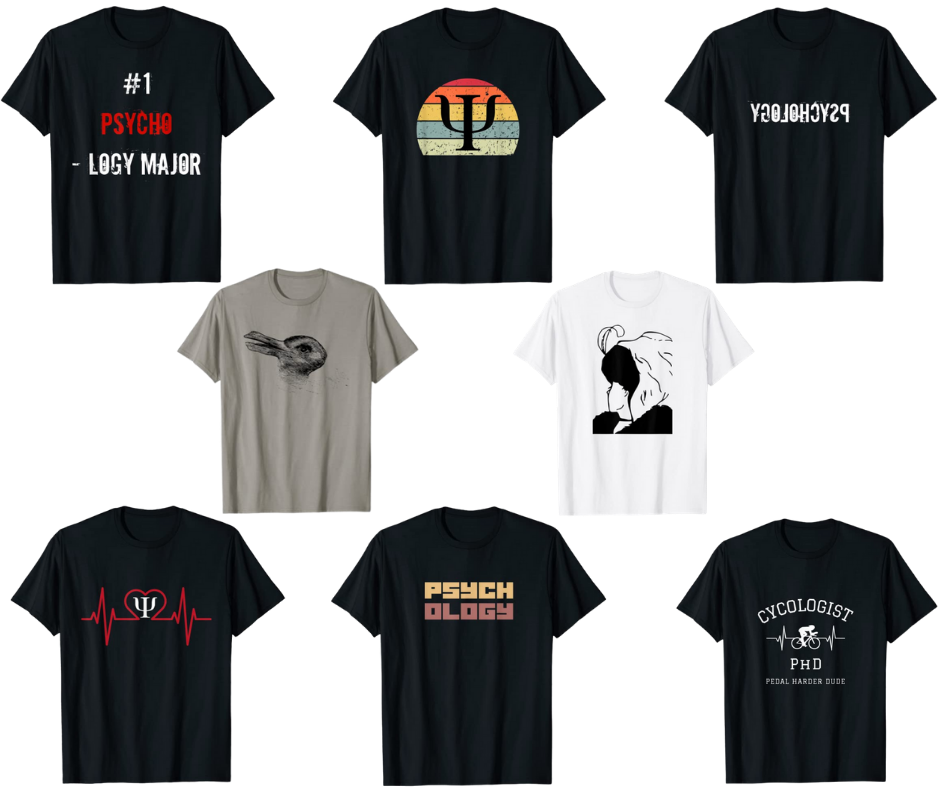
If you like psychology, you'll love this great collection of Psychology T-Shirts available from the official All About Psychology Amazon Store. To see the full T-shirt collection, click on the following link or on the T-Shirt images below. Sales help support this website, which has been providing free and comprehensive information and resources for psychology students and educators since 2008.
What Everyone Needs To Know About Psychology
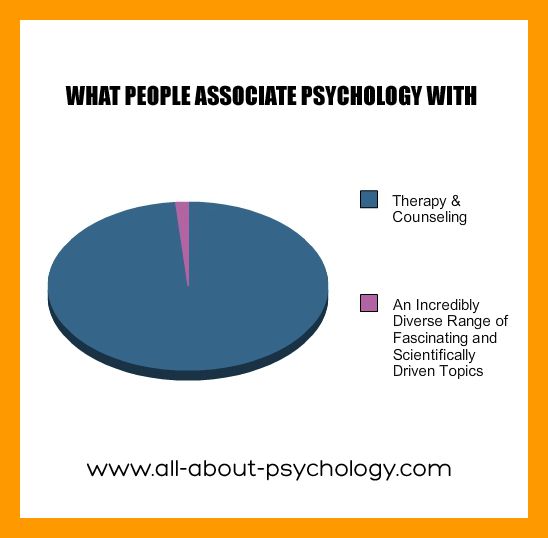
"It is common knowledge that public understanding of psychology is typically aligned with the mental health and intervention aspects of the discipline. Most people think of psychologists as clinicians and counselors. Few understand that psychology is the science of behavior, cognition and emotion...Everyone should recognize psychology as a STEM (Science-Technology-Engineering-Mathematics) discipline."
(Steven Breckler, PhD)
Not To Be Confused With Psychiatry
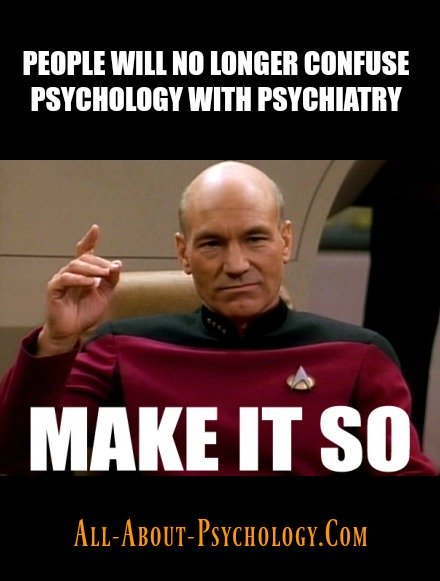
A common misconception about psychology is that it is synonymous with psychiatry. It is not! Psychiatry is a distinct medical specialism (all psychiatrists have a medical degree) that is fundamentally concerned with mental disorder. Psychology has a much broader focus and is not inextricably linked to the concept of mental illness.

Recent Articles


-
Sponsor a Psychology Website with Over a Million Yearly Visitors
Jun 30, 25 11:30 AM
Showcase your brand to a huge, engaged audience. Discover how to sponsor a psychology website trusted by over a million visitors a year. -
Unparalleled Psychology Advertising Opportunities
Jun 29, 25 04:23 AM
 Promote your book, podcast, course, or brand on one of the web's leading psychology platforms. Discover advertising and sponsorship opportunities today.
 -
Psychology Book Marketing
Jun 29, 25 04:19 AM
 Psychology book marketing. Ignite your book's visibility by leveraging the massive reach of the All About Psychology website and social media channels.
Please help support this website by visiting the All About Psychology Amazon Store to check out an awesome collection of psychology books, gifts and T-shirts.
 |
 |
Go From What is Psychology Back To The Home Page
New! Comments
Have your say about what you just read! Leave me a comment in the box below.