Developmental Psychology
David Webb (Owner, writer & host of All-About-Psychology.Com)
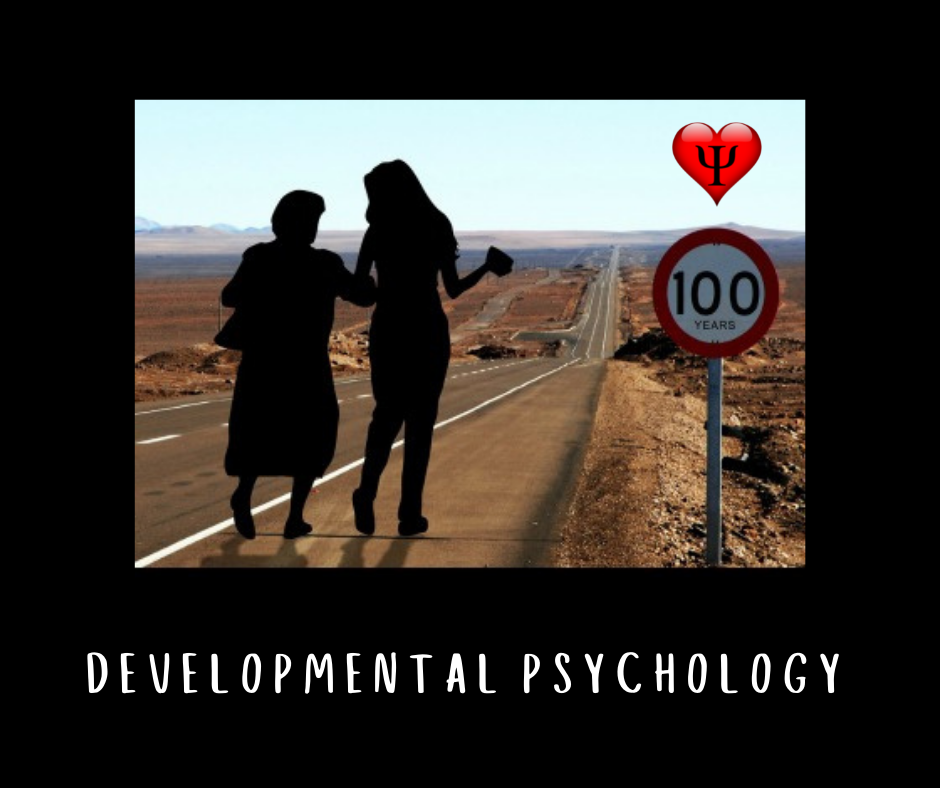
"Developmental psychology can be defined as the discipline that attempts to describe and explain the changes that occur over time in the thought, reasoning and functioning of a person due to biological, individual and environmental influences. Developmental psychologists study children's development, and the development of human behavior across the lifespan, from a variety of perspectives."
A useful way of understanding the scope of developmental psychology is provided by The Journal of Applied Developmental Psychology, the primary focus of which concerns the publication of research relating to two key concepts.
Human Development: The transformations and changes that occur during the life cycle and the processes or mechanisms which influence individuals' behavioral, cognitive, emotional, and moral development.
Application: How the knowledge gained from research can be applied to the improvement of developmental outcomes, such as through policy making or within educational, clinical, and social settings.
Key Figures in The History of Developmental Psychology
William T. Preyer (Jul 4, 1841 - Jul 15, 1897)
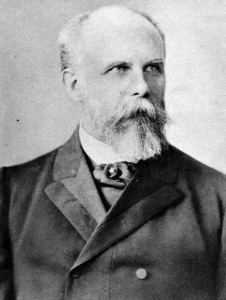
A pioneer in the field of developmental and child psychology, William Preyer published the first comprehensive book on the topic 'The Mind of the Child' in 1881.
Preyer was renowned for employing innovative and scientifically rigorous research methods, the legacy of which continues today via the 'William Thierry Preyer Award' presented by the European Society on Developmental Psychology for excellence in research of human development.
Mary Ainsworth (Dec 1, 1913 - Mar 21, 1999)
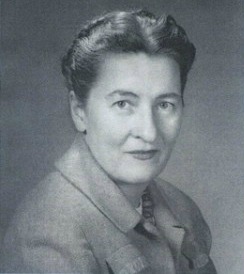
A hugely influential developmental psychologist, Mary Ainsworth is best known for her career-long research partnership with John Bowlby and her pioneering work on child developmental psychopathology. Among her many professional honors, Ainsworth received the American Psychological Association Award for Distinguished Scientific Contributions in 1989 and the American Psychological Foundation Gold Medal Award for Life Achievement in the Science of Psychology in 1998, the official citation for which read:
"Mary Ainsworth stands out as one of the major figures of the twentieth century in the study of the relations between young children and their care-givers. Her work on the nature and development of human security, her exquisite naturalistic observations of attachment-care-giving interactions, her conceptual analyses of attachment, exploration and self-reliance, and her contributions to methodology of infant assessment are cornerstones of modern attachment theory and research. The patterns of attachment that she identified have proven robust in research across diverse cultures and across the human lifespan. Her contributions to developmental psychology, developmental psychopathology, and ultimately to clinical psychology, as well as her teaching, colleagueship, and grace, are the secure base from which future generations of students can explore."
Quality Developmental Psychology Resources

George Mason University's Online Resources for Developmental Psychology, is an organized, accessible, and expert reviewed collection of useful websites for teaching and learning about human development. All the links and information resources are arranged into categories for easy access. Namely:
- Theories of Development
- Developmental Research Methods
- Prenatal Development & Birth
- Social & Emotional Development
- Cognitive Development & Intelligence
- Language Development
- Physical Development
- Moral Development
- Parenting & The Family
- Education
- Children With Special Needs
- Adolescence
- Adult Development & Aging
- Death & Dying
- Applied Issues
- General Development Resources
- Student Resources
CLICK HERE To Access This Comprehensive Resource.
Series of very informative podcasts taken from the lectures of Lori Markson from the University of Berkeley, California.
The podcasts explore the development of children from birth to adolescence, in a wide range of areas including biological, cognitive, linguistic, social, and personality development. It also covers the effects of genes, experience, and social context on children's development.
CLICK HERE to access all the podcast lectures for free via iTunes.

CLICK HERE for details of the latest open access articles published in the Journal of Applied Developmental Psychology, which you can read in full for free.
This Psychology Symbol - Vintage Retro Striped Sunset T-Shirt is available from Amazon (prime eligible) in a range of colors for women and men. Sales help support this website, which has been providing free and comprehensive information and resources for psychology students and educators since 2008.

Recent Articles


-
Continuing Bonds: The Psychology of Staying Connected After Loss
Mar 06, 26 08:59 AM
 Continuing bonds research shows staying connected to loved ones after death is healthy, not pathological. Explore grief psychology, attachment theory, and cultural mourning.
 -
Tourettes: Understanding Tourette Syndrome Beyond Stereotypes
Feb 23, 26 06:01 AM
 Learn what tourettes really is, why swearing is a myth for most, and how education reduces stigma around Tourette syndrome.
 -
Psychological Impact of Catastrophic Injury & Recovery
Feb 17, 26 02:26 AM
 Explore the psychological impact of catastrophic injury, including trauma, identity shifts, resilience, and long-term mental health recovery.


Please help support this website by visiting the All About Psychology Amazon Store to check out an awesome collection of psychology books, gifts and T-shirts.
 |
 |
Go Back To The Types of Psychology Page
Go From Developmental Psychology Back To The Home Page