"Slow to Start, Hard to Stop": What Is Autistic Inertia?
Imagine knowing you need to start a task, yet feeling unable to make the transition. 2%, or 5.5 million American adults, with the Autism Spectrum Disorder (ASD) can more than relate [1].
Autistic intertia is a relatively new neurodivergent-associated trait we don't know much about. Based on the available data and recent research, this article explains what autistic inertia is, its different forms, and why getting stuck on something is such a prevalent experience among neurodivergents.

What Is Autistic Inertia?
Autistic inertia is a difficulty with transition tasks in people diagnosed with ASD. Simply put, individuals with autistic inertia find it hard to start, stop, or switch activities, no matter how encouraging or urgent it seems.
The term "autistic inertia" wasn't initially introduced by psychologists or researchers. It has emerged primarily from autistic people's lived experiences, and a growing body of research has picked it up.
Autistic intertia has long been known in neurodivergent circles as "lack of motivation," "task paralysis," "executive dysfunction," and "procrastination." However, the underlying reason for autistic inertia vs. neurotypical procrastination is that the former is caused by substantial differences in brain structure and work, while the latter can be connected to temporary stress.
A growing awareness about the autism spectrum on social media has caught more and more people wondering, "Could I be neurodivergent?" when they experience intense procrastination. However, autistic inertia is not a separate diagnosis or an official symptom listed in the diagnostic criteria for autism.
What does research say about autistic inertia?
A 2021 study of 32 autistic adults was the first focused investigation of autistic inertia. The participants described it as a "debilitating" experience when they feel like they can't interrupt ongoing activity, even for physiological needs like going to the toilet. Intertia is even stronger when transitions are unexpected [2].
Another study added that people with ASD experience extremes: either unable to start or unable to stop. Some things, like stress and unsatisfied physical needs, can worsen autistic inertia, making it even harder to switch [3].
Together with testimony of a million neurodivergent individuals, these findings suggest that autistic inertia is a credible lived-experience concept, even though it has not yet become a standardized clinical construct.
3 Types of Inertia in Autism
Autistic inertia describes general difficulties with transition tasks. Hence, there are three types of this inertia:
- Start inertia: hardships with starting an activity.
- Stop inertia: stopping an activity that is already underway
- Switch inertia: switching between tasks or mental states.
They come from the same neurological mechanisms but present different challenges.
Note: This typology was created by online experts and people with ASD. There is no "official" typology of autism inertia.
1. Start Inertia
Start inertia refers to the difficulty of moving from intention into action. A person may know exactly what needs to be done and genuinely want to do it, yet feel unable to initiate the first step.
According to the discussions of people with autism online, start inertia is most prominent during vague or multi-step tasks. It feels like when there isn't structure, there isn't clarity.
Stress and sensory overload can worsen start inertia due to executive dysfunction. Even in neurotypicals, the brain is flooded with cortisol, which shifts resources from logical planning (the prefrontal cortex) to emotional survival (the amygdala). This is exactly what creates the task paralysis.
Common signs of start inertia include:
- Remaining still while repeatedly thinking about beginning a task
- Waiting for another person or something to create momentum
- Feeling overwhelmed by the first step of a relatively simple activity
- Delaying basic needs despite feeling hungry, tired, or uncomfortable
- Making detailed plans without moving into action
- Appearing unmotivated despite genuinely wanting the outcome
2. Stop Inertia
Stop inertia is the opposite challenge: difficulty disengaging from an activity or inability to leave the "flow" state. Stop inertia is also known as hyperfixation, which occurs during highly absorbing interests, repetitive or predictable activities, or highly engaging tasks such as gaming, scrolling, creating, or organizing.
Stopping may feel particularly difficult when doing so requires an uncomfortable transition to a less enjoyable or more demanding activity. As a result, a person may ignore physical needs or continue an activity after it has stopped being productive or enjoyable.
Other ways stop inertia can show up include:
- Continuing the task despite hunger, pain, fatigue, or needing to use the bathroom
- Losing awareness of time
- Feeling distressed or irritated when interrupted
- Completing far more work than originally intended
- Struggling to stop without an external cue or reminder
- Returning repeatedly to the same activity, thought, or interest

3. Switch Inertia
Switch inertia refers to the difficulty of shifting from one activity, environment, or mental state to another. Unlike start inertia, the challenge is not beginning an activity but disengaging from one context and adapting to the next.
This cognitive style of doing things is also called monotropism: a preference to focus intensely on one specific thing. Being forced to switch tasks requires a massive amount of mental energy to pull focus away.
Some people report needing a longer recovery period after being interrupted before they can refocus, while others avoid starting an activity because they anticipate how difficult it will be to stop or transition later.
Common signs of switch inertia include:
- Needing considerably more transition time than others
- Becoming upset by sudden changes or interruptions
- Feeling mentally attached to the previous task
- Re-reading or repeating steps after switching
- Avoiding plans involving several transitions
- Struggling to resume work once interrupted
- Experiencing a temporary "blank" or frozen state during transitions
These three forms of autistic inertia usually co-occur together. However, some people may feel like they experience one type of autistic inertia more than the other.
Potential Benefits and Challenges of Autistic Inertia
Although autistic inertia is discussed in terms of its difficulties, the same tendency to maintain momentum can sometimes support strengths. Whether autistic inertia is helpful or harmful largely depends on where a person is on the autistic spectrum and what support systems they have in place.
| Potential benefit | Potential challenge |
|---|---|
| Deep focus | Hard to stop when necessary |
| Protected concentration | Increased stress |
| Improved productivity | Overwork or neglect of basic needs |
| Encouraged consistency | Harder adaptation |
| More effective skill development | Responsibilities or commitments crowded out |
| Difficulty completing everyday tasks |
Disclaimer: "Advantages" of autistic inertia aren't used to neglect the challenges. Rather, this view is based on the views of certain neurodivergents themselves, who consider their traits abilities rather than "disabilities."
Autism and Motivation: The Neurological Connection
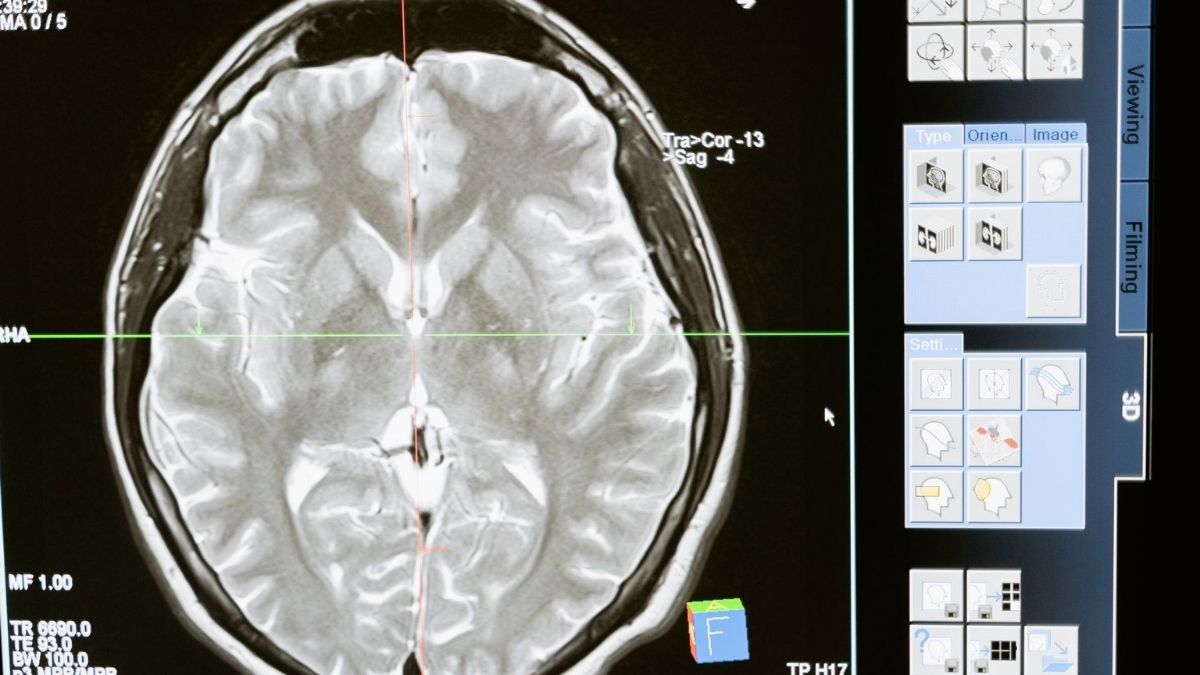
When discussing autism and motivation, it is important not to reduce the issue to willpower. Many autistic people experiencing inertia are highly motivated to complete a task but still struggle to translate that intention into action. All because of the neurological process that causes processing challenges:
- Motor control systems, including the cerebellum and corticospinal pathways, show differences in coordination and timing in many autistic people → The brain's systems, which decide whether to initiate an action, may have different activation thresholds in autism.
- In the neurodivergent adults, dopamine pathways that control how to start and stop action work differently → Inertia is tightly linked to energy availability: when someone is fatigued, ill, or burnt out, the "cost" of transitions rises, and inertia worsens.
- Alexithymia, difficulty identifying/understanding emotions, is part of the autistic spectrum → It's harder for autistic adults to recognize early signals of stress or need for a break, so the person reaches overload before realizing it.
Psychological and environmental factors can further increase these difficulties. Anxiety about making mistakes, perfectionism, previous experiences of criticism or punishment, low mood, and autistic burnout may all make transitions harder.
Tips to Overcome Autism Inertia by Type
The goal of managing autistic inertia is not to meet neurotypical productivity standards. However, these strategies can reduce negative emotions like anxiety, productivity guilt, shame, and pressure.
Strategies for Start Inertia
- Break the task down into a single visible physical action, such as opening a document, rather than thinking about finishing the entire report.
- Prepare materials in advance to reduce the number of decisions required before starting. For example, decide what you're going to wear the night before.
- Create consistent routines to which your body will prepare with time.
- Start with a short, low-pressure trial period rather than committing to the whole task.
- Address sensory discomfort, hunger, pain, or exhaustion before expecting yourself to begin.
- Be kind to yourself and speak to yourself in compassionate language that recognizes difficulty initiating, rather than assuming that you're not motivated.
Strategies for Stop Inertia
- Decide on a clear endpoint before beginning an activity.
- Use gradual reminders (hours, 30 minutes, 10 minutes before the end) instead of relying on one abrupt alarm.
- Treat meals, hydration, sleep, and bathroom breaks as planned distractions rather than interruptions.
- Write down the next step before stopping, so it feels easier to resume later.
- If helpful and mutually agreed upon, ask another person to provide a reminder when it is time to end an activity.
- Schedule decompression time after periods of intense concentration.
- Avoid forcing an abrupt stop unless immediate safety requires it.
Strategies for Switch Inertia
- Use visual schedules, countdowns, or "first, then" plans to make upcoming changes more predictable.
- Include a short, neutral bridge activity between demanding tasks. For example, stretching, watering the plants, and closing browser tabs related to the previous task.
- Group similar activities together to reduce frequent mental switching.
- Protect uninterrupted focus periods whenever possible.
- Allow additional time to recover after unexpected changes.
- Identify the first step of the next activity before ending the current one.
If autistic inertia significantly affects eating, hygiene, education, employment, safety, or independent living, an autism-informed psychologist can help develop individualized strategies.
FAQs about Autism Inertia
Is Lack of Motivation a Sign of High-Functioning Autism?
Not necessarily. Apparent high-functioning autism lack of motivation is not a specific diagnostic symptom of autism, and the term "high-functioning" itself can overlook significant support needs. What appears to be low motivation may instead reflect autistic inertia and executive dysfunction challenges.
Are Autistic People Lazy?
No. Autism does not make someone lazy. Many autistic people expend considerable mental energy on things that neurotypical people spend minimal mental energy on, such as dealing with crowds or food texture. Focusing only on visible productivity may overlook that effort.
Is Indecisiveness a Symptom of Autism?
Indecisiveness is not, by itself, a defining symptom of autism. However, some autistic people may find decision-making more challenging because of information overload or the cognitive effort involved in switching between options. Indecisiveness is also common in many non-autistic people and can occur in conditions such as anxiety, ADHD, and depression.
How Are Apathy and Autism Connected?
Apathy refers to reduced motivation or emotional engagement, whereas autistic inertia describes situations where the desire to act is present but starting the activity is difficult. Persistent loss of interest or significant changes in daily functioning should be assessed by a qualified healthcare professional rather than automatically attributed to autism.
Sources:
1. National and State Estimates of Adults with Autism Spectrum Disorder. May 2022. https://pmc.ncbi.nlm.nih.gov/articles/PMC9128411/
2. “No Way Out Except From External Intervention”: First-Hand Accounts of Autistic Inertia. July 2021. https://pmc.ncbi.nlm.nih.gov/articles/PMC8314008/
3. ‘I live in extremes’: A qualitative investigation of Autistic adults’ experiences of inertial rest and motion. September 2023. https://journals.sagepub.com/doi/10.1177/13623613231198916
Know someone who would be interested in reading "Slow to Start, Hard to Stop": What Is Autistic Inertia?
Share this page with them.