The Hard Problem of Consciousness Resolved
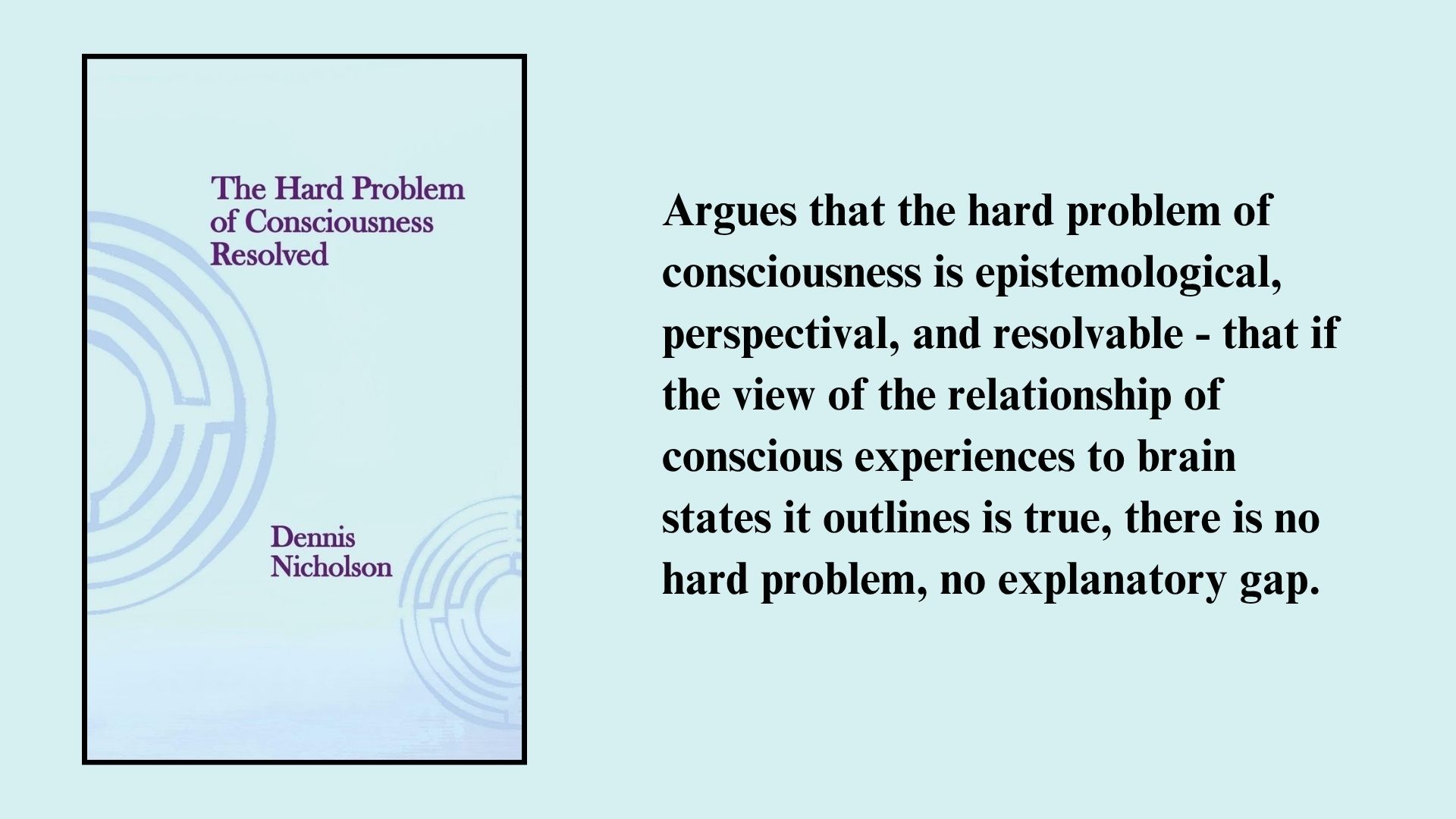

The hard problem may be an epistemological and resolvable problem. If conscious experiences are ontologically reducible to particular brain states but have direct, nonrelational knowledge content that, for solely perspectival reasons, is epistemologically irreducible to an outside observer's indirect and relational knowledge of these brain states, there is no hard problem, no explanatory gap.
Everything about a conscious experience, including its irreducible knowledge content, is subsumed within the reality known to an outside observer as a brain state and everything about it – including why it is ‘like this’ and why it is ‘like anything’ – can be identified and explained in externally observed terms.
(The brain states should be unique in ways that will make the resulting accounts plausible and satisfactory.)
We need not explain how the brain states transform themselves into the conscious experiences. This does not happen, except through a shift in perspective – a particular conscious experience and brain state are simply the same physical thing known in irreconcilably different ways.
A full account of a given conscious experience and brain state consists of a full external observer’s account of the brain state mapped to our irreducible inner view of what the conscious experience is like when known directly and nonrelationally – additional, scientifically trivial, knowledge about the brain state in this perspective, but essential to a complete account.
The Hard Problem of Consciousness Resolved is available internationally from various sources, including Barnes & Noble, Blackwell's, Waterstone's, Booktopia, and Amazon:

 |
 |
 |
 |

Prefer another bookseller? You can also find The Hard Problem of Consciousness Resolved via Books2Read.
About The Author
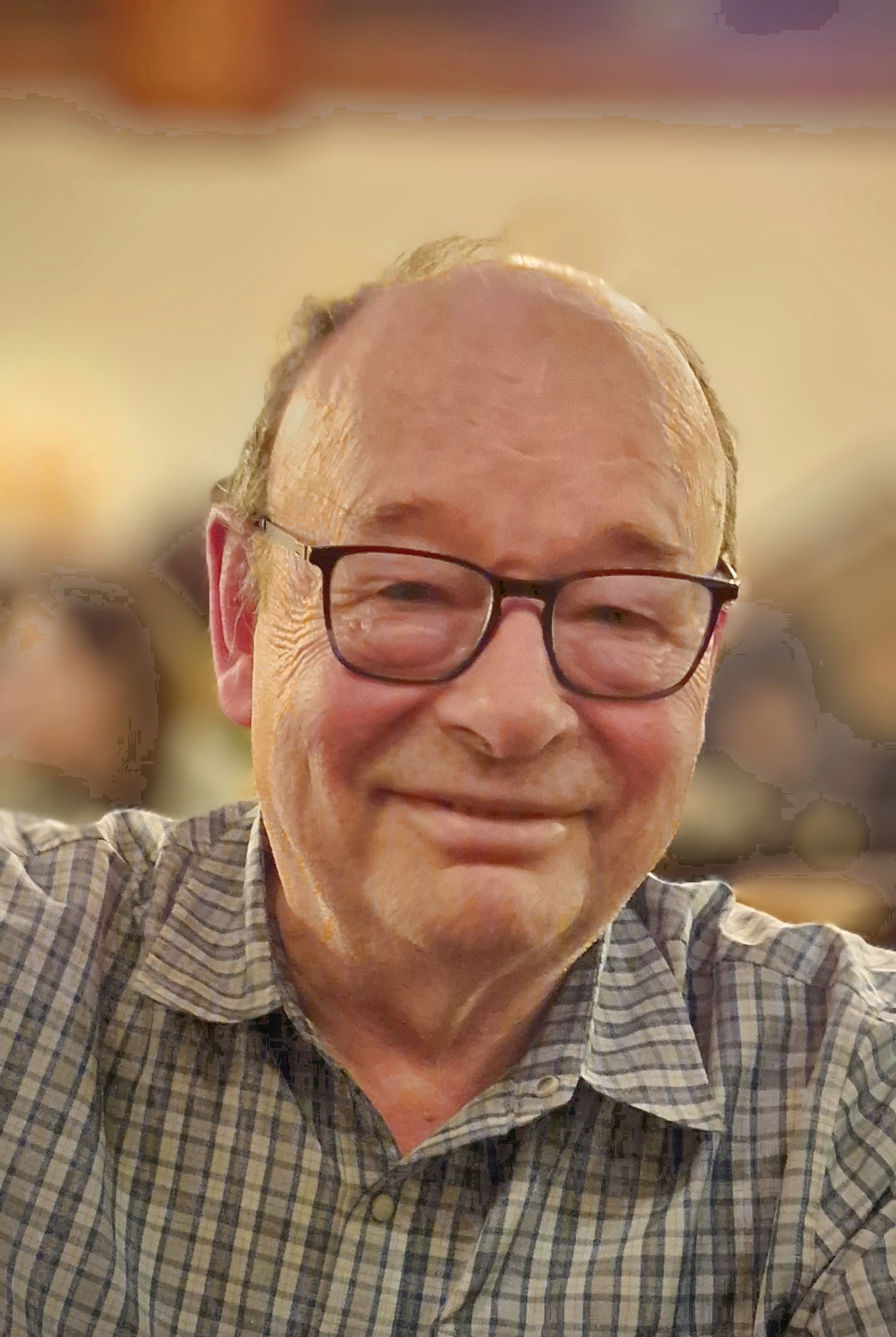
Dennis Nicholson is the author of 'Self, Consciousness, and Being: The Transcendent Perspective', a book which argues that the transcendent self-view it describes and defends is the best design for the human self. He is also the author of ‘Everyday Transcendence: The Way of Psychology’, a book which argues that the simple application of logic to some of the more obvious facets of human psychology offers the best path to enlightenment, transcendence, and realising our true nature.
He is now retired but was previously employed at Strathclyde University in Glasgow, most recently in a joint role as Director of Research in Information Services and research group leader (CDLR) in the Computer and Information Sciences Department.
He studied psychology at Edinburgh University, graduating in 1973. Dennis grew up in Dundee on the east coast of Scotland and now lives in Edinburgh. This book on the hard problem of consciousness draws upon and develops ideas on the topic set out in his two earlier books and in a number of unpublished papers on the subject.
You can read the first overview chapter of 'The Hard Problem of Consciousness Resolved' and the references list for the book here: https://doi.org/10.23668/psycharchives.22439