Thinking About Studying Psychology Online?
Explore online psychology degree options, including program types, accreditation, costs, career pathways and what to check before choosing a course.
Read The Online Psychology Degree GuideWhy We Enjoy Others’ Missteps: The Psychology of Schadenfreude

David Webb (Founder and Editor of All-About-Psychology.com)
Every December, many of us hear the same phrases. Season of goodwill. Season of generosity. Season of kindness. It’s a time we imagine ourselves at our best, a time when we picture people being a little gentler and more considerate.
And yet, even during a period associated with reflection, connection, and renewed intentions, schadenfreude does not disappear. If anything, it seems to flourish. Someone slips on ice in a viral clip. A public figure messes up and online comments fill up faster than a winter market. A colleague’s boastful plan falls apart and we feel a flicker of satisfaction we would never admit out loud.
This contrast is what made me want to write this piece. At a time of year when we talk about kindness and empathy, I found myself wondering why spiteful joy still feels so instinctive. Not only in strangers, but in ourselves. Why do we sometimes enjoy the misfortunes of others, even when we genuinely want to be decent and fair. And why does this emotion feel both familiar and slightly shameful at the same time.
Schadenfreude is one of those human experiences we rarely talk about openly. It’s a guilty pleasure for some people. It’s something others would prefer to pretend they never feel. But it’s also a deeply psychological emotion with a long history, a clear structure, and a surprising amount of scientific research behind it.
In this article I want to explore what schadenfreude actually is and where the concept comes from. I want to look at the psychological roots that make it feel good, the social forces that amplify it, and the moral tension that makes it uncomfortable. I also want to explore questions such as whether personality matters and why social media seems to bring this emotion out of us so easily.
What Schadenfreude Really Is
Schadenfreude is a word we borrow from German, but the feeling itself is universal. It’s the small and sometimes uncomfortable, yet often enjoyable, spark of pleasure we feel when someone else experiences a setback. The term combines Schaden (harm) and Freude (joy), and researchers in the field use it to describe the curious mix of social comparison, judgment, and emotion that arises when another person’s misfortune seems to benefit us, confirm our views, or restore a sense of fairness.
In his 1958 book The Psychology of Interpersonal Relations, legendary psychologist Fritz Heider described schadenfreude as “malicious joy,” a phrase that captures the part we rarely want to admit. Most of us don’t walk around hoping for bad things to happen to people. Yet when misfortune strikes someone we envy, dislike, or see as undeserving of their success, the reaction can appear almost automatically. It’s not active cruelty; it’s a passive, reactive pleasure that comes from the way we navigate status, fairness, and competition.
What makes schadenfreude so interesting is that it doesn’t stem from a single motive. Sometimes it comes from a sense of justice (“they had it coming”). Sometimes it comes from rivalry or envy (“they weren’t supposed to do better than me”). And sometimes it arises in group contexts, where the misfortune of an opposing team, party, or tribe feels like a boost to our own side. Different situations activate different psychological gears, but the core feelings remain recognizably the same.
Schadenfreude is a reminder that our emotional lives are rarely tidy. It’s a normal, widespread response, but it also reveals something honest about how we think about status, fairness, and belonging. To understand it more fully, we need to look at the distinct psychological mechanisms that sit underneath it.
Why We Feel Schadenfreude: The Three Core Psychological Pathways
Schadenfreude doesn’t arise from a single motive. Instead, it tends to show up through three distinct pathways that tap into fairness, self-protection, and group belonging. These pathways can overlap, but they explain why the emotion appears in some situations and not in others.
1. Justice-Based Schadenfreude: When it feels like the universe is evening the score
One of the strongest triggers is the sense that someone “deserved” their setback. If a person has behaved unfairly, acted arrogantly, or misused their status, their misfortune can feel like a natural correction. The pleasure isn’t about wanting them harmed; it’s about the situation aligning with our sense of how things should work.
Research shows that perceptions of responsibility and fault play a major role here. When observers believe a setback follows from someone’s own actions, the emotional response intensifies. In that sense, this pathway isn’t simply about malice; it’s tied to our desire for fairness and accountability.
2. Self-Evaluation Schadenfreude: When someone else’s fall eases our own insecurities
A second pathway is rooted in social comparison. When we feel threatened by someone who’s more successful, admired, or advantaged, their misfortune can briefly relieve that sense of inadequacy.
This is most likely to happen when self-esteem is shaky. People who feel vulnerable or “less than” in a particular domain are more likely to experience relief when a rival stumbles. This version of schadenfreude isn’t about wanting others to fail. It’s about the temporary easing of our own internal pressure.
3. Social Identity Schadenfreude: When a rival group’s misfortune boosts our own side
The third pathway shows up in group contexts. Sports supporters know this feeling of satisfaction well. The same dynamic appears in political or cultural rivalries. Setbacks for an out-group can feel like symbolic victories for the in-group, even when the individuals involved have no personal connection to us. Stronger group identification tends to heighten this response.
What unites these three pathways is that the pleasure isn’t random. It’s shaped by the stories we tell ourselves about fairness, comparison, and belonging. And it helps explain why schadenfreude shows up in some moments of everyday life and not others.
The Neuroscience of Schadenfreude
One of the most striking findings about schadenfreude is that the pleasure it creates isn’t metaphorical. It shows up in the brain’s reward circuitry in ways that can be measured and observed.
Brain-imaging studies show that when people witness a rival or disliked figure experience a setback, the ventral striatum becomes more active. This region is central to processing reward and reinforcement, and it reacts in a similar way when people anticipate something pleasurable. The response highlights a simple but powerful point: social comparison can produce a physical sense of reward, even when nothing directly benefits us.
Another region involved is the ventromedial prefrontal cortex, an area tied to evaluating social information and assigning value to outcomes. When this area becomes more active during schadenfreude, it reflects the brain weighing context, status, and meaning as it registers the event as rewarding.
What’s equally important is what doesn’t activate. In situations where schadenfreude appears, areas linked to empathy tend to show less engagement. The usual circuits that help us feel another person’s distress are quieter, creating space for pleasure to take hold instead. This dampening effect doesn’t mean empathy disappears. It simply means that, in those moments, the reward response wins out.
Taken together, these findings show that schadenfreude isn’t just a quirk of personality or culture. It has identifiable neural signatures, shaped by how we interpret social context and how comparison affects our sense of standing. It’s a reminder that emotions we sometimes think of as “moral” or “immoral” are often rooted in basic neurological processes that respond to status, fairness, and competition.
These neural patterns also help explain why schadenfreude can feel so immediate. The brain reacts quickly to shifts in social position, and the reward system responds before we’ve had time to reflect on the broader implications of that reaction.
What Schadenfreude Means for Our Moral and Social Lives
Schadenfreude sits on a wide spectrum. For many people it shows up as a brief, passing reaction. For others, especially when the feeling is frequent or intense, it can point to deeper patterns in personality and social behavior.
One place this appears is in research on the Dark Triad. People who score higher on narcissism, Machiavellianism, or psychopathy tend to report stronger and more consistent pleasure at others’ setbacks. In these cases, the reaction isn’t about a moment of relief or a sense of fairness. It reflects a broader style of relating to others that includes low empathy, competitiveness, and a willingness to see people as tools or obstacles. This doesn’t describe everyday schadenfreude, but it helps explain why the emotion can slide into something more troubling when empathy is chronically weak.
There’s also a long moral debate about what it means to enjoy someone else’s misfortune. Philosophers have often condemned the emotion outright, arguing that any pleasure in another person’s pain reflects a failure of compassion. Others take a more nuanced view and suggest the feeling is less troubling when it aligns with a sense of moral balance, such as when someone who’s acted unfairly faces the consequences of their actions. Even then, it raises an uncomfortable question about what we think “deservedness” really means.
It’s important to distinguish schadenfreude from sadism. Schadenfreude involves reacting to something that’s already happened. The person experiencing the emotion hasn’t caused the harm and isn’t seeking to inflict pain. Sadism involves active enjoyment of causing suffering. Keeping these categories separate matters, because one reflects a response to social information and the other reflects an intent to hurt.
On a group level, the emotion can take on a different tone. When misfortune happens to a rival group, schadenfreude can strengthen in-group loyalty and reinforce existing divisions. Sports, politics, and online communities all show how quickly a setback for “them” becomes a bonding moment for “us.” This isn’t always harmless. When group identity becomes rigid, the pleasure taken in an opponent’s failure can make hostility feel more acceptable.
Across all these contexts runs a cultural thread: the idea that people should get what they deserve. Stories about justice, balance, and moral order shape how we interpret other people’s misfortunes. When a setback feels like a rightful consequence, schadenfreude tends to come more easily. When it doesn’t, many people feel discomfort or guilt. These reactions reveal how deeply our views of fairness color the way we respond to others’ lives.
Schadenfreude is not inherently immoral, but it does show something important about how we navigate status, fairness, and belonging. It reveals where our empathy narrows, where competition shapes our reactions, and where our moral instincts become conditional.
These patterns matter, because they influence not only how we judge others, but also how we hope to be judged when the roles eventually reverse.
Social Media and the Age of Public Schadenfreude
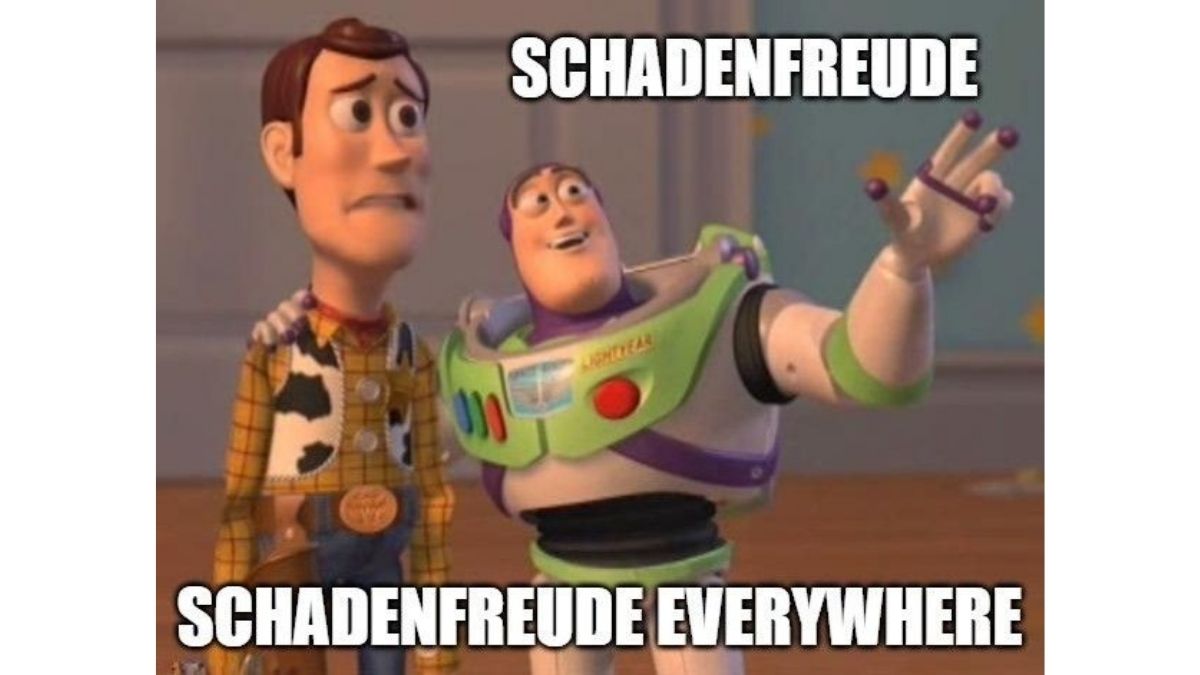
Social media has turned private emotions into public reactions, and schadenfreude is one of the feelings that travels most easily in these spaces. Platforms encourage quick judgments, rapid comparisons, and constant monitoring of other people’s highs and lows. In that environment, the misfortune of a public figure or disliked group can spread instantly, and the emotional response spreads with it.
One reason this happens is the way platforms amplify social comparison. Users are surrounded by idealized successes, which can heighten feelings of envy or threat. When someone who appears superior stumbles, even briefly, the reaction can feel like a release of tension. The pleasure is tied to the shift in perceived status, and the online environment magnifies that shift for thousands of observers at once.
Another factor is distance. Online audiences often react to people they do not know personally, which weakens empathy and makes it easier to judge without context. When a mistake, failure, or embarrassing moment is reduced to a clip or a headline, the person at the center often stops feeling like a full human being. That sense of distance lowers the threshold for schadenfreude and makes the reaction feel socially acceptable.
Group dynamics add another layer. Online communities built around shared interests or identities often rally together when a rival group or public figure faces a setback. The pleasure comes not only from the event itself, but from the sense of belonging that forms around the reaction. It creates a quick surge of connection, even though the foundation for that connection is thin and temporary.
Public figures provide a special case. When someone in a position of fame or influence experiences consequences for wrongdoing, the reaction is often tied to justice rather than rivalry. People see the setback as a sign that rules still apply, especially in moments when fairness feels uncertain. These responses are shaped by the belief that accountability should be visible, and social media provides the stage for that visibility.
But the same rapid spread that allows deserved consequences to feel satisfying can also pull people into harsh judgments when the facts are incomplete. In these moments, schadenfreude grows faster than understanding. The emotion can overshadow empathy and encourage the audience to treat complex situations as entertainment.
Social media doesn’t create schadenfreude, but it makes it more public, more contagious, and more tied to audience approval. It reveals how quickly the mind shifts between comparison, judgment, and group belonging when the entire process happens under the pressure of visibility.
Is There an Evolutionary Story Behind It?
Schadenfreude can feel like a modern emotion, but its roots likely stretch back into earlier forms of social life. Humans have always lived in groups where status, reputation, and resources mattered, and many of our emotional reactions reflect those older pressures.
One evolutionary interpretation focuses on status. In small communities, a rival’s setback could shift the social hierarchy in subtle ways. If someone who consistently outperformed you lost ground, it might reduce competition for attention, resources, or potential allies. The pleasure wouldn’t come from the harm itself but from the change in relative position.
Competition also plays a role. When groups rely on coordination and cooperation, individuals who threaten the group’s stability or fairness often trigger frustration. Seeing them face consequences may have reassured early humans that the group could maintain order. In that sense, schadenfreude may have helped reinforce norms by rewarding attention to who behaved fairly and who didn’t.
Another possibility is threat reduction. If someone posed a challenge to your standing, your opportunities, or your influence, their misfortune could signal a reduced threat. A small sense of relief in this context would have had practical value, helping individuals notice shifts in the social landscape.
Group processes add another layer. Early humans depended heavily on alliances, and anything that strengthened in-group cohesion had survival benefits. Shared reactions to the successes or failures of outsiders may have helped reinforce group identity, creating a stronger sense of who “we” are compared to “them.”
At the same time, evolutionary explanations can only go so far. They can help us understand why certain emotional tendencies exist, but they don’t tell us whether those tendencies are desirable, healthy, or morally justified today. Evolution describes what may have been adaptive in the past. It doesn’t prescribe how we should think or behave in the present.
Schadenfreude, Self-Esteem, and the Vulnerable Ego
Some experiences of schadenfreude have less to do with justice or group identity and more to do with how secure a person feels about themselves. When someone’s sense of worth feels shaky, the successes of others can be harder to tolerate, and small misfortunes in those same people can bring a fleeting sense of relief. The pleasure does not come from malice as much as from the temporary easing of internal pressure.
This reaction is closely connected to social comparison. When someone already feels vulnerable, the achievements of others can make those vulnerabilities feel sharper. If the person they compare themselves to stumbles, even briefly, the emotional shift can feel stabilizing. The mind registers the setback as evidence that the gap is smaller than it seemed, and that momentary lift can feel soothing even if it comes with guilt or discomfort.
Research also shows that when people feel more grounded in their own strengths and values, they’re less likely to react this way. A stronger internal foundation reduces the need to monitor where they stand relative to others. Setbacks in someone else’s life are less likely to feel personally relevant, and the impulse to find reassurance in another person’s misfortune fades.
What this tells us is that some forms of schadenfreude are less about liking someone’s setback and more about protecting a fragile self-concept. The feeling tends to be brief, and it often says more about the observer’s internal tension than about the person experiencing the misfortune.
This pattern is a reminder that emotional reactions can serve different psychological functions. When schadenfreude appears in this form, it highlights the ways people try to regulate their sense of worth in a world where comparison is constant and visibility is high.
Freudenfreude: The Opposite Emotion
To understand schadenfreude fully, it helps to look at its opposite: the experience of feeling joy when someone else succeeds.
Freudenfreude is the feeling of genuine pleasure in someone else’s success or happiness. It’s the emotional mirror of schadenfreude, and it represents a way of relating to others that isn’t built on comparison or threat. Instead of feeling lifted when someone else struggles, freudenfreude reflects a capacity to feel lifted when someone else does well.
This response matters because it strengthens social bonds. When people can share in each other’s good moments without competition or defensiveness, relationships tend to grow more stable and more trusting. The emotion relies on an ability to stay open to another person’s experience, which means empathy plays a central role. When empathy is present, someone else’s gain feels less like a threat and more like an expansion of what’s possible.
Freudenfreude is also a healthier basis for connection. It doesn’t depend on another person losing status or facing a setback. Instead, it creates warmth, reciprocity, and a sense of shared momentum. In many ways, it reflects the kind of social environment that helps people thrive rather than compete for position.
As a final contrast to schadenfreude, freudenfreude shows that our reactions to other people’s fortunes aren’t fixed. We can respond with rivalry, relief, or concern, but we can also respond with uncomplicated joy. That possibility offers a different way to understand what strengthens our relationships and what kind of connection we want to cultivate.
Final Thoughts
Schadenfreude can be uncomfortable to look at, but understanding it gives us a clearer picture of what it means to be human. We’re social creatures who compare, compete, protect ourselves, and care deeply about fairness. Sometimes those impulses pull us toward reactions we don’t feel proud of. Other times they remind us how much we want to belong, to matter, and to make sense of the behavior of others.
We can’t remove these reactions entirely, and we don’t need to. What helps is noticing them with honesty rather than shame. When we see where the feeling comes from, we’re better able to respond with awareness instead of reflex.
As you sit with the ideas in this piece, you might think about the moments when you’ve reacted with a quick spark of satisfaction at someone else’s stumble. What was happening for you in that moment? What were you protecting or comparing or trying to make sense of?
You might also think about the times when you’ve felt genuine happiness for someone’s success. What allowed that response to come forward?
These questions don’t have right or wrong answers. They’re simply a way to understand yourself a little better and to notice the range of reactions that make us who we are.
If You Enjoyed This Article…
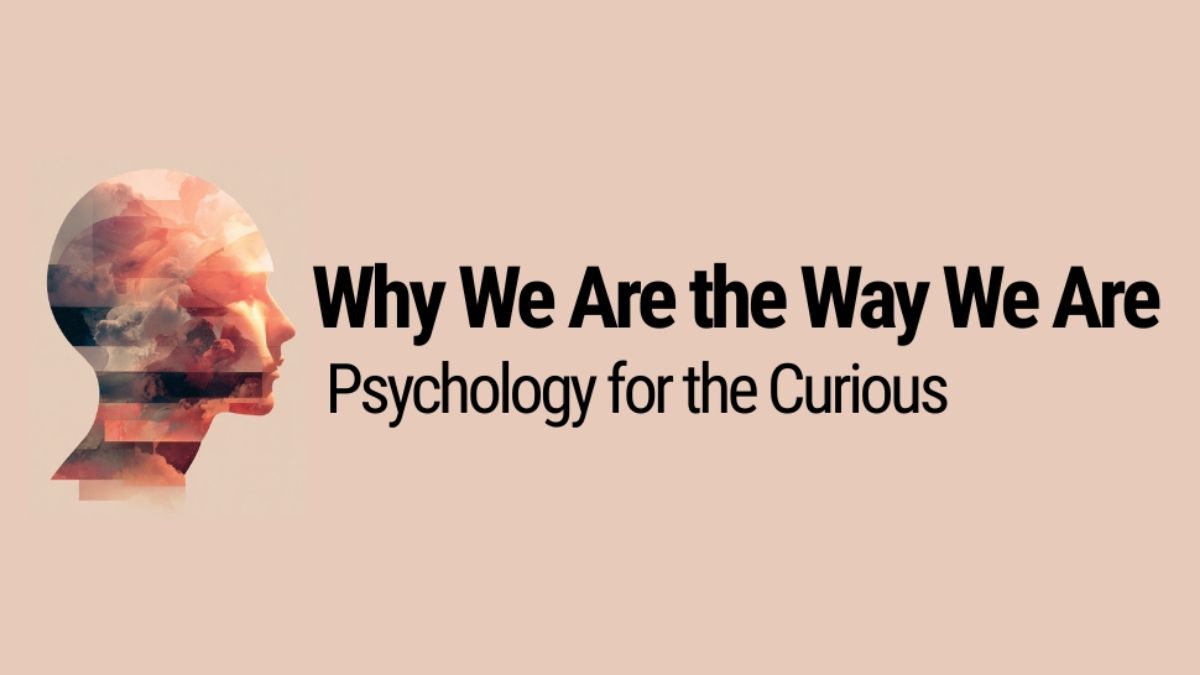
I’m very happy to share that my new book, Why We Are the Way We Are: Psychology for the Curious, is now available on Amazon in both paperback and eBook format.
📘 Paperback: www.amazon.com/Why-We-Are-Way-Psychology/dp/B0G4D1WJCW
📱 Kindle eBook: www.amazon.com/Why-We-Are-Way-Psychology-ebook/dp/B0G4BGR9T3
The book is a carefully curated collection of the most popular articles from this website and my Psychology Substack. If you’ve enjoyed this piece and the exploration of why we think, feel, and behave the way we do, the book brings these ideas together in one place. It also makes a thoughtful gift for anyone who loves psychology or is simply curious about what makes us tick.
If you do pick up a copy, I’d be incredibly grateful if you could leave a rating or review on Amazon. Even a short line makes a real difference. Reviews help raise the profile of the book and allow more people to discover it.
Any profit from sales goes directly toward the hosting and running costs of the All About Psychology website, which helps ensure that:
- Students and educators can continue accessing the most important and influential journal articles in psychology completely free.
- Readers everywhere can hear directly from world-class psychologists and leading experts.
- High-quality psychology content remains freely available to the public.
Thank you, as always, for reading, supporting, and being part of this community. It’s very much appreciated.
All the very best,
David Webb
Founder, All-About-Psychology.com
Author | Psychology Educator | Psychology Content Marketing Specialist

Know someone who would be interested in reading
Why We Enjoy Others’ Missteps: The Psychology of Schadenfreude.
Share This Page With Them.
Go From "Why We Enjoy Others’ Missteps: The Psychology of Schadenfreude” Back To The Home Page