How Catastrophic Injuries Affect Mental Health: A Psychological Perspective
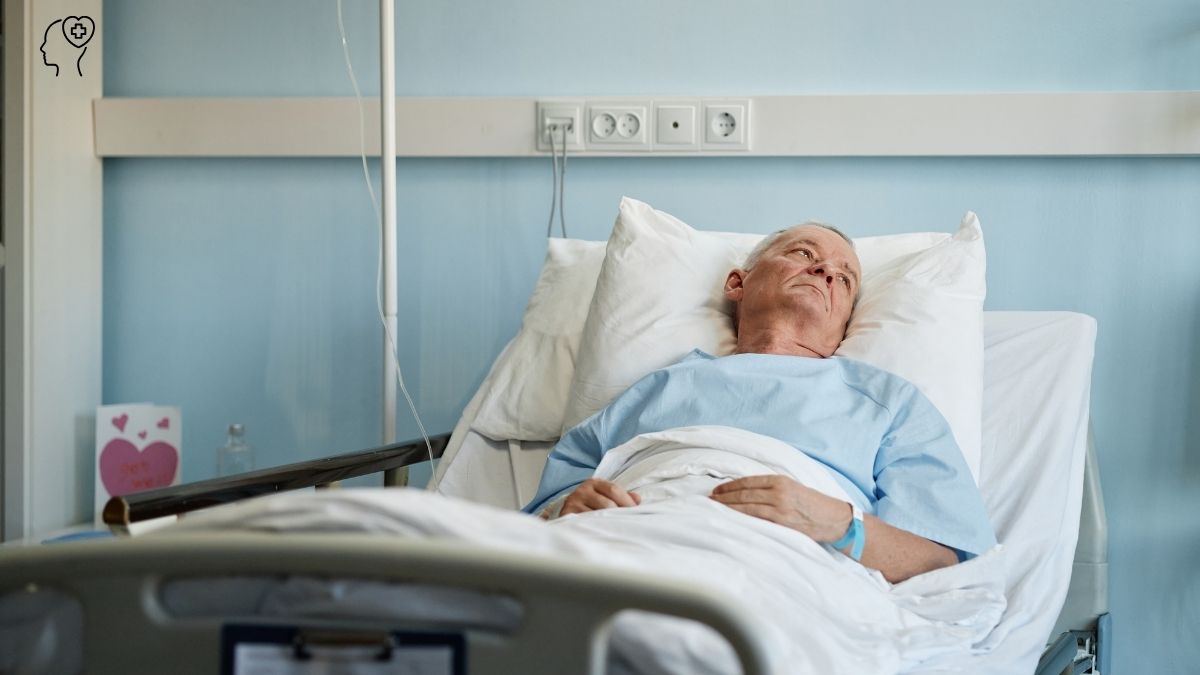
A serious injury doesn’t stop at skin and bone. One bad moment can blow a hole through a person’s routines, their relationships, their work, and the private certainty that tomorrow will look roughly like today. After the hospital lights and the paperwork, the mind keeps reacting. Sleep gets weird. Focus fizzles. A simple trip to the grocery store can feel like a marathon.
Catastrophic injuries carry their own kind of wreckage. We’re talking about life-altering harm like spinal cord injuries, traumatic brain injuries, limb loss, severe burns, or complex fractures that don’t neatly resolve. The physical reality is obvious. The psychological shift can be quieter, then louder, then unpredictable. People find themselves asking questions that used to feel irrelevant: Who am I if I can’t do what I used to do? What happens to my role in my family? How much of my future is still mine to shape?
Psychology helps make sense of that chaos. Trauma research explains why emotions can spike out of nowhere. Identity research explains why the injury can feel like it’s messing with your personality, not just your body. Resilience research explains why some days you feel steady and other days you feel like you’re back at the starting line. None of this is neat. It’s human.
Taking mental health seriously after catastrophic injury isn’t “extra.” It’s part of the injury. Treating the mind like an afterthought can turn recovery into a long, lonely grind.
Understanding Catastrophic Injury Through a Psychological Lens
“Catastrophic injury” shows up in medical charts and legal conversations, but the psychological meaning is straightforward: life has changed in a durable way. These injuries often involve permanent impairment or long-term disability, such as spinal cord damage, traumatic brain injury, severe burns, or multiple fractures with lingering complications. The key point isn’t simply how dramatic the injury looks. It’s how much it rearranges daily living.
In the immediate aftermath, the brain goes into emergency mode. Stress hormones surge. Attention narrows. Some people feel oddly calm, numb, or detached, like they’re watching their own life from the outside. That reaction can protect you in the short term. It can also leave emotional processing delayed, which means the psychological hit may land later, when everyone expects you to be “doing better.”
Once the initial crisis fades, reality starts pressing in. Rehab schedules. New limitations. Pain that doesn’t cooperate. The loss isn’t always one big thing. It’s a stack of smaller losses that keep showing up: ease, spontaneity, privacy, independence, certain kinds of joy. Many people grieve the pre-injury version of themselves, even if they’re grateful to be alive.
Adjustment rarely moves in a straight line. You can feel hopeful in the morning and crushed by dinner. Progress can be real and still feel fragile. The mind is trying to reconcile two truths at once: this happened, and life still has to be lived.
Why Location Can Shape the Recovery Experience
The emotional side of catastrophic injury is personal, but the practical side plays out inside systems that change by state. Legal frameworks, oversight practices, and procedural routines can shape how quickly issues get resolved, what documentation is needed, and how much friction people face while trying to put their lives back together. In Illinois, someone seeking support from a Chicago catastrophic injury lawyer may encounter timelines and court processes that differ from those in nearby Indiana or Wisconsin, where administrative procedures and insurance practices can follow their own rhythms. When the process drags or surprises you, stress tends to rise. When it feels clearer, people often get a bit more breathing room.
Cost norms vary by region. Many injury-related legal services in the Midwest commonly use contingency-based fee arrangements, though the way expenses are handled can differ by jurisdiction and by provider. In larger markets such as California, heavier caseloads in some areas may affect scheduling and the duration of case processing. Texas can bring a different procedural climate and negotiation style. Those aren’t just technical differences. They can shape how long uncertainty drags on and how a family plans from month to month.
Then there’s the day-to-day operational side: how records are requested and released, what paperwork is typically expected, how disputes get handled before court becomes the default, and what consumer protections look like in practice. Even when the broad categories are similar, the details can change the experience. A small shift in procedure can mean weeks of delay, extra documentation, or a smoother path.
Working with someone who knows the local expectations can take some of the mystery out of an already exhausting situation. Rules, standards, and practices vary by location and should be confirmed locally.
Trauma, Stress, and the Brain
In a crisis, the brain doesn’t wait for your permission. The body’s alarm system fires, stress hormones surge, and everything tightens. That’s the survival response doing its job. It keeps you alert and reactive when danger is real.
The problem is what happens after. Many people find their nervous system stays stuck in a defensive posture even when the immediate threat is over. They get jolted by reminders. They replay moments they didn’t ask to replay. Sleep can turn into a nightly negotiation. These reactions are often tied to post-traumatic stress disorder, which can include intrusive symptoms, avoidance, mood shifts, and a heightened sense of threat.
Traumatic brain injuries can complicate the picture further. When areas involved in impulse control, memory, or emotional regulation are affected, a person might feel more irritable, more reactive, or more mentally foggy than they were before. Loved ones can misread those changes as attitude. The person living it may feel like they’ve lost access to their own “normal.”
Pain adds its own pressure. Chronic pain interrupts sleep and drains attention, and it can grind down mood over time. When rest doesn’t restore you, everything feels harder. The body stays tense. The brain stays vigilant. That’s a recipe for anxiety and depression to take root.
All of this is why “physical recovery” and “mental recovery” don’t separate cleanly. The brain is part of the injury story, whether the injury was visible in the first place or not.
Identity, Self-Concept, and Psychological Adjustment
A catastrophic injury can mess with identity in a way that surprises people. Identity isn’t some abstract concept. It’s built from roles, skills, routines, and the feeling of competence. When your abilities change overnight, the story you’ve been telling yourself about who you are can suddenly feel unreliable.
Think about how much self-worth is tied to “I can handle things.” A tradesperson who can’t return to the same work. A parent who needs help with basic tasks. A runner who can’t run. Those losses hit more than function. They hit self-definition. People often grieve the person they used to be, even while working hard to survive the present.
Body image can become a minefield, especially when injuries are visible or when assistive devices become part of daily life. Social situations can feel loaded. Some people feel stared at. Others feel reduced to their injury, as if sympathy is the only thing others can see. Even kind remarks can land awkwardly when someone already feels raw and exposed.
The rebuilding of identity and psychological adjustment following severe injury takes time. Some people find a way to fold the injury into a broader sense of self, rather than letting it swallow everything. Others get stuck in shame or rage, or withdraw because being seen feels too complicated. Therapy can help, not by polishing the pain into optimism, but by giving people a place to tell the truth and rebuild a self-story that actually fits their life now.
Resilience, Meaning, and Long-Term Adaptation
Resilience isn’t a personality trait you either have or don’t. It’s a set of capacities that can strengthen over time. After a catastrophic injury, resilience often looks ordinary from the outside. Getting through a tough appointment. Advocating for your needs. Letting yourself feel angry without letting anger drive the whole day.
Social connection matters more than people want to admit. Support doesn’t fix the injury, but it can change how bearable the aftermath feels. Being treated as competent, even when you need help, protects dignity. Being listened to without being rushed can lower stress in a way that medication can’t always match.
Mindset plays a role, though it’s often misunderstood. This isn’t about “thinking positive.” It’s about making room for reality and still choosing a direction. Some people reshape goals instead of dropping them altogether. An athlete might coach. A worker might mentor. A parent might redefine what “showing up” looks like. The loss doesn’t disappear, but it stops running the entire story.
Post-traumatic growth sometimes enters the picture. People may report deeper relationships, clearer priorities, or a stronger appreciation for life. It isn’t guaranteed, and it isn’t a prize for suffering. When it happens, it tends to arrive alongside grief, not in place of it.
Adaptation is rarely about returning to who you were. It’s more often about building a life that works, then realizing you can still recognize yourself within it.
Integrating Psychological and Practical Support Systems
Recovery doesn’t happen in a vacuum. Rehab, mental health support, and practical stability are tightly connected. When one collapses, the others tend to wobble. When the pieces support each other, the whole process feels less chaotic.
Therapy can help in different ways depending on what’s going on. Cognitive behavioral approaches may help with intrusive memories, panic, and spiraling thoughts. Acceptance-based approaches can support the slow work of living well with long-term limitations. Peer support can be a lifeline, because some things are easier to say to people who’ve been there.
Routine matters more than it gets credit for. So does sleep hygiene, stress management, and the basic structure of daily life. Developing consistent habits, maintaining relationships that feel safe, and adopting proactive steps to protect mental health can help people feel more anchored when everything else feels uncertain.
Practical clarity matters for mental health. Confusing timelines, shifting expectations, and endless paperwork can keep the nervous system on high alert. When processes are explained clearly and responsibilities are defined, people spend less energy bracing for surprises and more energy doing the work of recovery.
No single form of support carries this alone. Physical care, psychological support, social connection, and practical stability work best as a set.
The Ongoing Psychological Landscape After Severe Injury
Time can take the edge off, but it doesn’t fix everything. Anniversaries can hit hard, and follow-up surgeries can bring old fear rushing back. A random sound, smell, or intersection can pull someone back into the moment of impact. Many people recover in cycles: steadier stretches, then flare-ups, then steadier again.
Relationships change under pressure. Caregiving can create closeness and resentment in the same week. People can feel grateful and trapped at once. Honest conversation matters, especially when exhaustion makes everyone shorter-tempered. Sometimes a structured setting, like couples or family therapy, is the only place those conversations can happen without turning into a fight or a shutdown.
Work adds another layer. Returning might mean accommodations, retraining, or accepting that “full capacity” has a new definition. For some, that shift punches right into self-worth. Learning to separate identity from productivity is hard work, especially in cultures that treat output like character.
Through it all, self-compassion isn’t a soft idea. It’s a practical one. Catastrophic injury changes a life, but it doesn’t erase agency, humor, intelligence, or the ability to build something meaningful. The psychological path forward can be messy, but it can still be real.
Rebuilding Meaning After Profound Change
Severe injury reshapes life in ways that aren’t always visible. Scars fade. Strength returns in pieces. The psychological imprint can linger, altering how safe the world feels and how much control a person believes they have.
Seeing these reactions through a psychological lens helps. Trauma responses, mood shifts, identity struggles, and resilience aren’t evidence that someone is failing. They’re evidence that a mind is doing its best with an experience that broke normal rules.
A catastrophic injury can close doors. It can also force a person to build new ones. The future may look different from what was expected, but “different” doesn’t automatically mean empty. With solid support, honest coping, and a stable base of practical help, many people find ways to live with depth, connection, and a renewed sense of purpose.
