Thinking About Studying Psychology Online?
Explore online psychology degree options, including program types, accreditation, costs, career pathways and what to check before choosing a course.
Read The Online Psychology Degree GuideNot Quite an Introvert or an Extrovert?
Maybe You’re an Ambivert

Our personalities are generally thought to consist of five primary factors: openness to experience, conscientiousness, extroversion, agreeableness and neuroticism, with each of us ranking low to high for each.
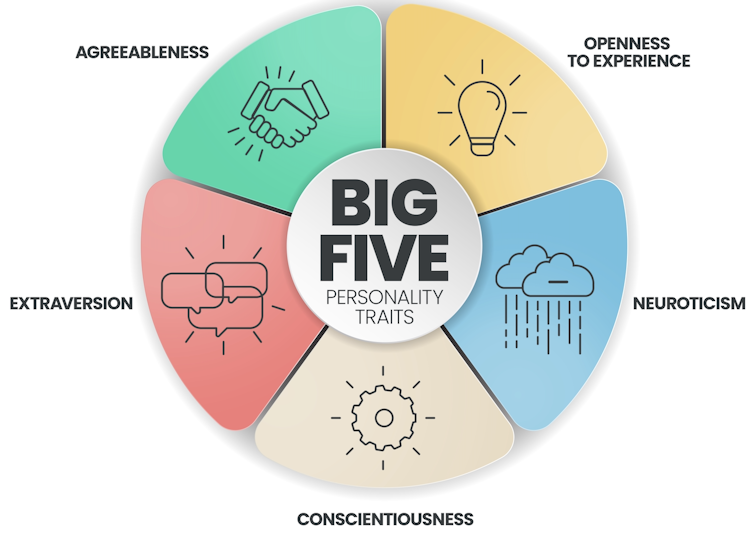
Those who rank high in extroversion, known as extroverts, typically focus on their external world. They tend to be more optimistic, recharge by socialising and enjoy social interaction.
On the other end of the spectrum, introverts are more likely to be quiet, deep thinkers, who recharge by being alone and learn by observing (but aren’t necessarily shy).
But what if you’re neither an introvert or extrovert – or you’re a bit of both? Another category might fit better: ambiverts. They’re the middle of the spectrum and are also called “social introverts”.
What exactly is an ambivert?
The term ambivert emerged in 1923. While it was not initially embraced as part of the introvert-extrovert spectrum, more recent research suggests ambiverts are a distinct category.
Ambiverts exhibit traits of both extroverts and introverts, adapting their behaviour based on the situation. It may be that they socialise well but need solitude and rest to recharge, and they intuitively know when to do this.
Ambiverts seems to have the following characteristics:
- good communication skills, as a listener and speaker
- ability to be a peacemaker if conflict occurs
- leadership and negotiation skills, especially in teams
- compassion and understanding for others.
Some research suggests ambiverts make up a significant portion of the population, with about two-thirds of people falling into this category.
What makes someone an ambivert?
Personality is thought to be 50% inherited, with the remaining being influenced by environmental factors and individual experiences.
Emerging research has found physical locations of genes on chromosomes closely aligned with extroversion-introversion traits.
So, chances are, if you are a blend of the two styles as an ambivert, one of your parents may be too.
What do ambiverts tend to be good at?
One area of research focus in recent decades has been personality type and job satisfaction. One study examined 340 introverts, extroverts and ambiverts in sales careers.
It has always been thought extroverts were more successful with sales. However, the author found ambiverts were more influential and successful.
They may have a sales advantage because of their ability to read the situation and modify their behaviour if they notice a customer is not interested, as they’re able to reflect and adapt.
Ambiverts stress less than introverts
Generally, people lower in extroversion have higher stress levels. One study found introverts experience more stress than both ambiverts and extroverts.
It may be that highly sensitive or introverted individuals are more susceptible to worry and stress due to being more perfectionistic.
Ambiverts are adept at knowing when to be outgoing and when to be reflective, showcasing a high degree of situational awareness. This may contribute to their overall wellbeing because of how they handle stress.
What do ambiverts tend to struggle with?
Ambiverts may overextend themselves attempting to conform or fit in with many social settings. This is termed “overadaptation” and may force ambiverts to feel uncomfortable and strained, ultimately resulting in stress or burnout.

But personality traits aren’t fixed
Regardless of where you sit on the scale of introversion through to extroversion, the reality is it may not be fixed. Different situations may be more comfortable for introverts to be social, and extroverts may be content with quieter moments.
And there are also four other key personality traits – openness to experience, conscientiousness, agreeableness and neuroticism – which we all possess in varying levels, and are expressed in different ways, alongside our levels of extroversion.
There is also evidence our personality traits can change throughout our life spans are indeed open to change.
Peta Stapleton, Associate Professor in Psychology, Bond University
This article is republished from The Conversation under a Creative Commons license. Read the original article.
Learn About Personality Psychology
Click on following link to to learn all about personality psychology and access excellent free personality psychology resources.
Hope you enjoyed reading 'Not Quite an
Introvert or an Extrovert? Maybe You’re an Ambivert'
Want to read more great articles?
See following link to check out a fascinating collection of psychology articles by leading academics and researchers.
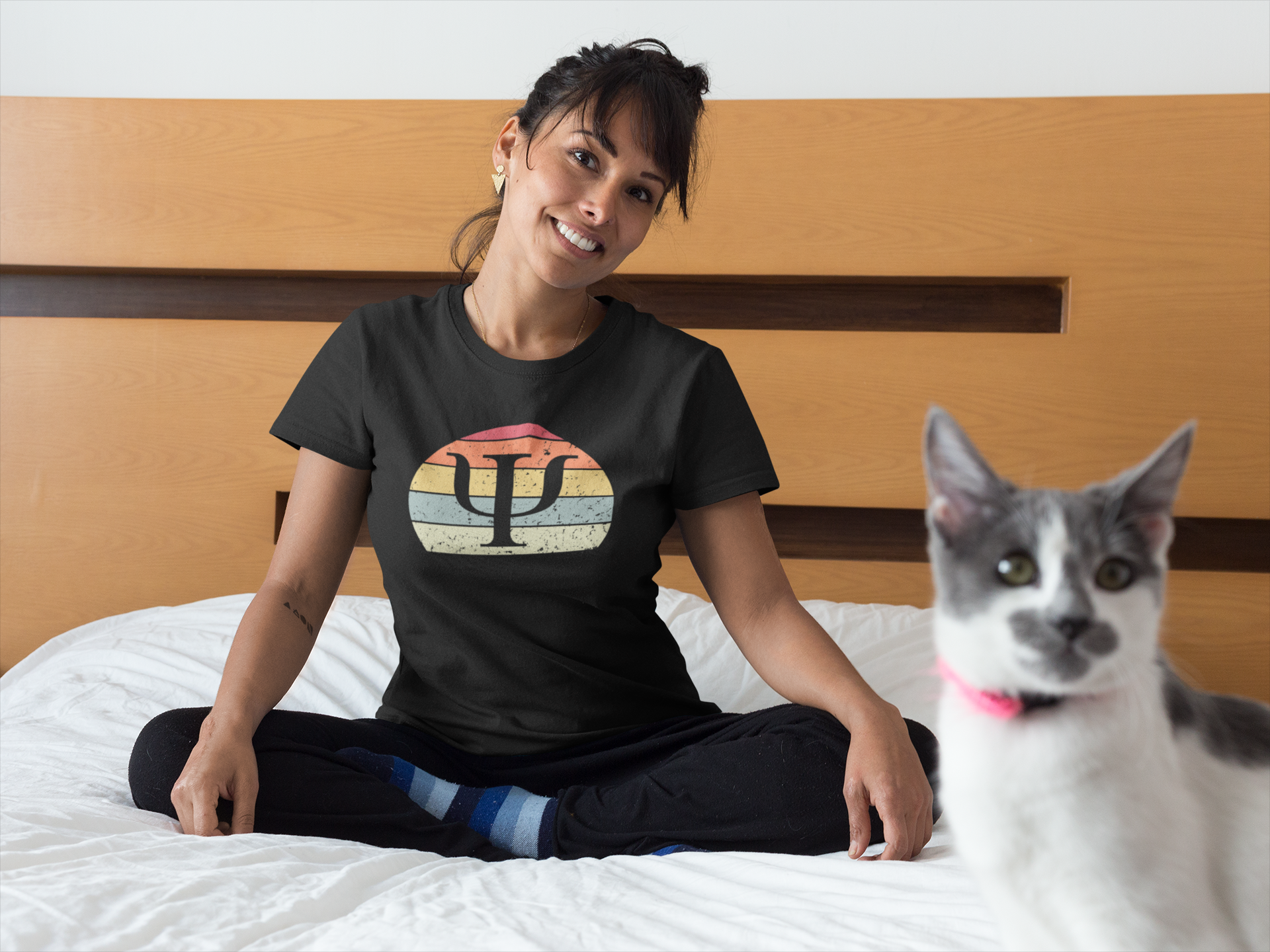
This Psychology Symbol - Vintage Retro Striped Sunset T-Shirt is available from Amazon (prime eligible) in a range of colors for women and men. Sales help support this website, which has been providing free and comprehensive information and resources for psychology students and educators since 2008.

Recent Articles


-
How to Stay Calm When Everything Changes
Sep 15, 26 09:11 AM
 Uncertainty and sudden life changes don’t have to trigger constant anxiety. Learn simple habits to release control and stay calm through transitions.
 -
What Is Autistic Inertia?
Sep 14, 26 11:38 AM
 A prominent sign of autism, getting stuck on something, now has an official name: “autism inertia.” Discover types, signs, and tips in the article.
 -
Introvert Personality and the 4 Types of Introverts Explained
Sep 12, 26 11:51 AM
 Explore introvert personality through the four STAR domains: social, thinking, anxious and restrained, including how they differ and overlap.
Know someone who would love to read Not Quite an Introvert or an Extrovert? Maybe You’re an Ambivert? Share this page with them.
Please help support this website by visiting the All About Psychology Amazon Store to check out an awesome collection of psychology books, gifts and T-shirts.
 |
 |
Go From 'Not Quite an Introvert or an Extrovert? Maybe You’re an Ambivert' Back To The Home Page