The Psychological
Power of Home: Why Aging in Place Matters for Cognitive Health
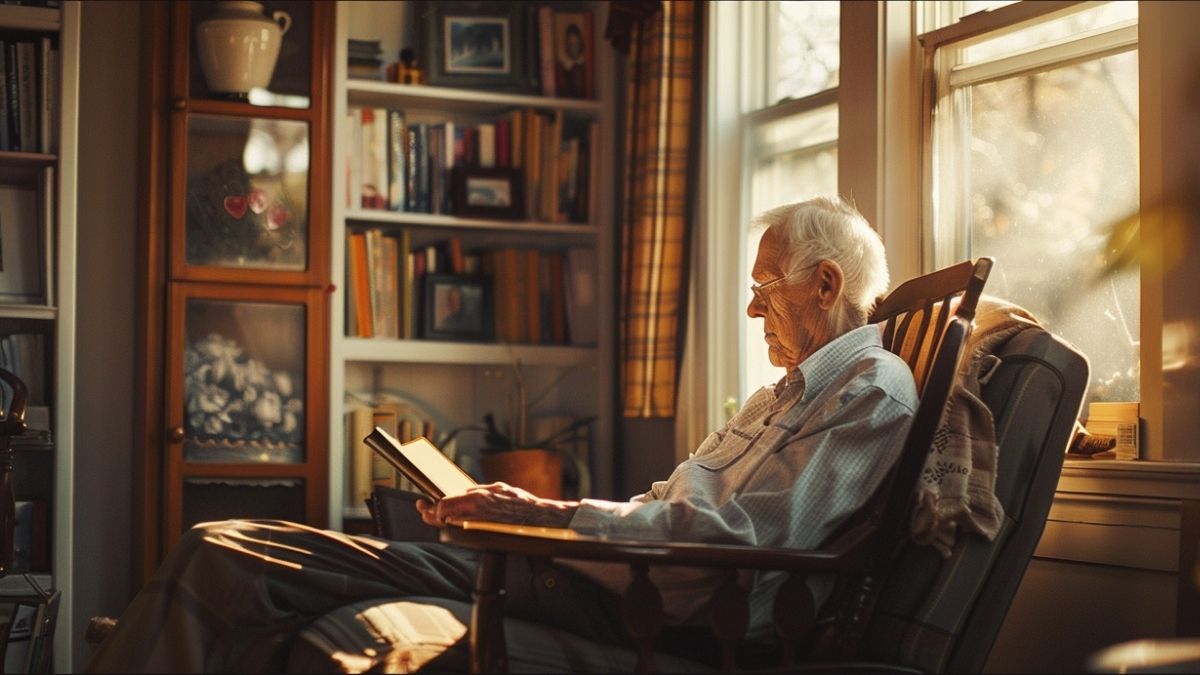
The concept of home is far more than a physical structure. For the aging population, it represents a repository of memory, identity, and a sense of continuity that’s often essential for psychological health. But for those standing in the center of this transition, the reality is deeply personal. Honestly, it’s a quiet, accumulating sense of belonging that settles into the walls and floors of a house.
It’s a weight I’ve felt myself, just standing in the kitchen of my childhood home.
When we study the intersection of environmental psychology and gerontology, it becomes increasingly clear that the setting in which a person ages significantly affects their cognitive longevity. Have you ever wondered why we feel so much more at peace in a room we’ve known for decades? Maybe it's the way the light hits the floor at 4 PM, or just the familiarity of it all.
In the world of clinical psychology, we often see how a familiar environment provides cognitive scaffolding. This means that the physical layout of a home, the specific creak of a floorboard, and the placement of everyday objects serve as external memory aids. When an older adult is moved to an institutional setting, this scaffolding is stripped away. And that is the point. You know, it often leads to a sharp increase in confusion and a loss of self-agency. I guess we underestimate how much we rely on our surroundings to tell us who we are.
The Anchor of Autonomy
Autonomy is a fundamental human need that doesn't diminish with age. In fact, as physical capabilities begin to wane, the psychological desire to maintain control often intensifies.
Families often struggle with the fear of a fall, while seniors struggle with the fear of losing their identity. But how can a person feel like themselves when they are removed from everything they’ve built?
Maintaining a person in their own home keeps the "master of the house" narrative alive.
It’s not just about ego.
It’s about the neurobiological benefits of making choices. Even small choices, like when to have tea or which chair to sit in, stimulate the prefrontal cortex. This daily engagement acts as a buffer against the apathy that can sometimes accompany later life. So, why do we prioritize clinical safety over psychological comfort so often? Honestly, maybe we're just scared.
The Role of Social Connection and Professional Support
Isolation is perhaps the greatest psychological threat to older people. Research shows that social withdrawal accelerates cognitive decline and increases the risk of depression. However, the solution isn’t always a radical change in living situation. Often, the best outcome is achieved by bringing the community to the individual.
For families living in dense metropolitan areas, the logistics of providing this support can be overwhelming. The psychological strain on the family caregiver can lead to secondary traumatic stress. Finding professional support can alleviate this burden. For instance, families often look into specialized in-home senior care in Chicago or other major cities to bridge the gap. This professional presence provides more than just physical help. You know that feeling of the hum of the laptop at midnight when you're trying to figure it all out?
It’s a new social tether.
It’s a person whose specific role is to facilitate the senior's engagement with their own life. And that’s the point. It’s about not doing it alone.
Navigating the Emotional Transition
The introduction of a caregiver is a delicate psychological event. It requires the senior to accept a level of vulnerability that can be jarring. If the transition is handled with empathy, the caregiver becomes an extension of the home’s safety. This process requires open communication and a focus on what the senior can still do.
Psychologists often recommend a gradual introduction of help. This allows the senior to build trust and maintain authority. When the focus remains on enhancing the senior’s quality of life within their space, the resistance often gives way to relief. They realize that help doesn’t mean losing their home. It means the preservation of it. It's about shifting the perspective from "losing" to "keeping."
Environmental Psychology and Memory
There’s also the matter of "place attachment." Our brains are wired to associate memories with locations. For a senior living with early-stage dementia, the physical environment of a long-term home can trigger spontaneous recollections. Walking past a photograph or sitting in a garden planted decades ago provides a sensory-rich experience.
When we prioritize aging in place, we’re essentially protecting the person’s history. The psychological benefit of waking up in a room where you’ve spent thirty years is immeasurable.
Could a familiar view from a window be the most important part of a care plan? It feels like it should be.
Finding the Right Balance
Ultimately, the goal is to create an environment that supports both physical safety and psychological flourishing. This requires a multifaceted approach. By recognizing that a home is an extension of the self, we can better support the emotional needs of our aging population.
We must move away from the idea that care is a binary choice. There’s a rich middle ground where professional support allows a life well lived to continue in a place well loved. This approach respects dignity while providing safety nets. It’s about adding life to the years. It's a heavy cycle, but we can make it lighter.
