Home
Welcome

ABOUT PSYCHOLOGY

Psychology is?
Types of Psych
Psych Symbol
History

HALL OF FAME

Sigmund Freud
William James
Carl Jung
Carl Rogers

PSYCH RESOURCES

Apps
Audio
Associations
Blogs
Images
Lectures
Links
Podcasts
Psychology 2.0
Q & A
Quotes
Software
Terminology

STUDENT RESOURCES

A Level
AP Psychology
Student Guide
Study Skills

RESEARCH METHODS

Overview
Exp Design
Participate
Project Help
Q'nn Measures

DEGREE FINDER

Online Degrees
Degrees (UK)
Degrees (USA)

CAREER INFO

Psych Jobs
Psychologists

MUST READ

Bestsellers
Book O.T Month
Psych E-Books
Expert Articles
Interviews
Mag Articles
Psych Articles
Newsletter

PSYCH ON KINDLE

Psych Classics
Psychoanalysis
Psych History
Psychotherapy
Full Collection

RELATED TOPICS

Dreams
Human Mind
Mental Health
Optical Illusions
Psychoanalysis
Psych Movies
Psych Testing
Psychotherapy
Self-Help

JUST FOR FUN

10 Things
Psych Ecards
Psych Fiction
Psych Light
Sex on The Brain

BEFORE YOU GO

Sign Guestbook
Join Mailing List

MISCELLANEOUS

Mentalism
Real World Psy
Psychology OF...
Top Psych Movies
Francis Galton
Press Releases
Advertise Here
Terms of Use
Contact Me
[?] Subscribe To This Site

XML RSS
Add to Google
Add to My Yahoo!
Add to My MSN
Subscribe with Bloglines

Psychology: Stimuli and Sensation - Question
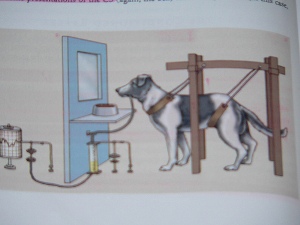
Photo Credit: Rand Lemley

Photo Credit: Rand Lemley

How does stimulus trigger a sensory response?

Comments for
Psychology: Stimuli and Sensation - Question

Average Rating starstarstarstarstar

Click here to add your own comments

May 01, 2009
Rating
starstarstarstarstar
Stimuli and sensation - answer
by: Anonymous

The stimulus is detected by the relevant receptor. From there it is transformed into electrical impulses which travel along nerve cells (neurons) to a specific part of the brain. Detection of this information by the brain results in sensation. While meaningful interpretation results in perception.

Oct 11, 2010
Rating
starstarstarstar
sensation
by: poch

sensation is when we pick something with our senses, hearing, smelling, touching and seeing and that travels to our brain.

Click here to add your own comments

Join in and write your own page! It's easy to do. How?
Simply click here to return to Psychology Q & A