|
SchizophreniaThinking About Becoming A Psychology Student? Find A Psychology School Near YouSchizophrenia
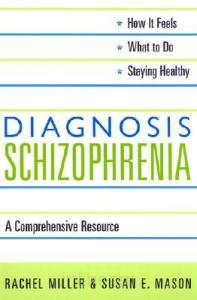
The following information is provided courtesy of The National Institute of mental Health. What is Schizophrenia?Schizophrenia is a chronic, severe, and disabling brain disorder that has been recognized throughout recorded history. It affects approximately 1 percent of Americans. People with the disorder may hear voices other people don't hear or they may believe that others are reading their minds, controlling their thoughts, or plotting to harm them. These experiences are terrifying and can cause fearfulness, withdrawal, or extreme agitation. People with schizophrenia may not make sense when they talk, may sit for hours without moving or talking much, or may seem perfectly fine until they talk about what they are really thinking. Because many people with the disorder have difficulty holding a job or caring for themselves, the burden on their families and society is significant as well. Available treatments can relieve many of the disorder's symptoms, but most people who have schizophrenia must cope with some residual symptoms as long as they live. Nevertheless, this is a time of hope for people with the disorder and their families. Many people with the disorder now lead rewarding and meaningful lives in their communities. Researchers are developing more effective medications and using new research tools to understand the causes of schizophrenia and to find ways to prevent and treat it. SymptomsSymptoms fall into three major categories: 1. Positive Symptoms Positive symptoms are easy-to-spot behaviors not seen in healthy people and usually involve a loss of contact with reality. They include hallucinations, delusions, thought disorder, and disorders of movement. Positive symptoms can come and go. Sometimes they are severe and at other times hardly noticeable, depending on whether the individual is receiving treatment. Hallucinations A hallucination is something a person sees, hears, smells, or feels that no one else can see, hear, smell, or feel. "Voices" are the most common type of hallucination in schizophrenia. Many people with the disorder hear voices that may comment on their behavior, order them to do things, warn them of impending danger, or talk to each other (usually about the patient). They may hear these voices for a long time before family and friends notice that something is wrong. Other types of hallucinations include seeing people or objects that are not there, smelling odors that no one else detects (although this can also be a symptom of certain brain tumors), and feeling things like invisible fingers touching their bodies when no one is near. Delusions Delusions are false personal beliefs that are not part of the person's culture and do not change, even when other people present proof that the beliefs are not true or logical. People with the disorder can have delusions that are quite bizarre, such as believing that neighbors can control their behavior with magnetic waves, people on television are directing special messages to them, or radio stations are broadcasting their thoughts aloud to others. They may also have delusions of grandeur and think they are famous historical figures. People with paranoid-schizophrenia can believe that others are deliberately cheating, harassing, poisoning, spying upon, or plotting against them or the people they care about. These beliefs are called delusions of persecution. Thought Disorder People with the disorder often have unusual thought processes. One dramatic form is disorganized thinking, in which the person has difficulty organizing his or her thoughts or connecting them logically. Speech may be garbled or hard to understand. Another form is "thought blocking," in which the person stops abruptly in the middle of a thought. When asked why, the person may say that it felt as if the thought had been taken out of his or her head. Finally, the individual might make up unintelligible words, or "neologisms." Disorders of Movement People with the disorder can be clumsy and uncoordinated. They may also exhibit involuntary movements and may grimace or exhibit unusual mannerisms. They may repeat certain motions over and over or, in extreme cases, may become catatonic. Catatonia is a state of immobility and unresponsiveness. It was more common when treatment for schizophrenia was not available; fortunately, it is now rare. 2. Negative symptoms The term "negative symptoms" refers to reductions in normal emotional and behavioral states. These include the following: flat affect (immobile facial expression, monotonous voice), lack of pleasure in everyday life, diminished ability to initiate and sustain planned activity, and speaking infrequently, even when forced to interact. People with the disorder often neglect basic hygiene and need help with everyday activities. Because it is not as obvious that negative symptoms are part of a psychiatric illness, people with schizophrenia are often perceived as lazy and unwilling to better their lives. Cognitive Symptoms Cognitive symptoms are subtle and are often detected only when neuropsychological tests are performed. They include the following: poor "executive functioning" (the ability to absorb and interpret information and make decisions based on that information), inability to sustain attention, and problems with "working memory" (the ability to keep recently learned information in mind and use it right away). Cognitive impairments often interfere with the patient's ability to lead a normal life and earn a living. They can cause great emotional distress. Onset Psychotic symptoms (such as hallucinations and delusions) usually emerge in men in their late teens and early 20s and in women in their mid-20s to early 30s. They seldom occur after age 45 and only rarely before puberty, although cases in children as young as 5 have been reported. In adolescents, the first signs can include a change of friends, a drop in grades, sleep problems, and irritability. Because many normal adolescents exhibit these behaviors as well, a diagnosis can be difficult to make at this stage. In young people who go on to develop the disease, this is called the "prodromal" period. Research has shown that schizophrenia affects men and women equally and occurs at similar rates in all ethnic groups around the world. Schizophrenia & ViolencePeople with the disorder are not especially prone to violence and often prefer to be left alone. Studies show that if people have no record of criminal violence before they develop schizophrenia and are not substance abusers, they are unlikely to commit crimes after they become ill. Most violent crimes are not committed by people with schizophrenia, and most people with the disorder do not commit violent crimes. Substance abuse always increases violent behavior, regardless of the presence of the disorder. If someone with paranoid-schizophrenia becomes violent, the violence is most often directed at family members and takes place at home. More InformationClick Here for information on the treatment and causes of schizophrenia. Essential ReadingDiagnosis: Schizophrenia by Professor Rachel Miller & Professor Susan Mason
Book Description Now in a revised and expanded third edition, this handbook presents the latest knowledge on the nature, diagnosis, assessment, and treatment of Attention-Deficit/Hyperactivity Disorder (ADHD). Provided are state-of-the-art guidelines for understanding and managing the challenges ADHD poses to children, adolescents, and adults in a range of settings. Featuring a new chapter on combined therapies, this book is the most comprehensive, authoritative, and up-to-date work in the field. See following link for more details: Classic Articles All Psychology Students Should Read
This special Kindle collection consists of the most influential, infamous and iconic research articles ever published in the history of psychology. See following link for full details. The Psychology Classics Kindle Collection Go Back To The Main Mental Health Page Go From Schizophrenia Back To The Home Page
 |