|
Cognitive Behavioral TherapyThinking About Becoming A Psychology Student? Find A Psychology School Near YouCognitive Behavioral Therapy
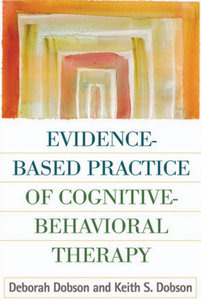
(Photo Credit: Todd Martin) The following Cognitive Behavioral Therapy information is provided courtesy of The National Institute of Justice. Cognitive Behavioral Therapy (CBT) is a treatment that focuses on patterns of thinking and the beliefs, attitudes and values that underlie thinking. CBT has only recently come into prominence as one of the few approaches to psychotherapy that has been broadly validated with research, although it has been used in psychological therapy for more than 40 years. It is reliably effective with a wide variety of personal problems and behaviors. Unlike other approaches to psychotherapy, CBT places responsibility in the hands of clients while supplying them with the tools to solve their problems, focusing on the present rather than the past. People taking part in CBT learn specific skills that can be used to solve the problems they confront all the time as well as skills they can use to achieve legitimate goals and objectives. Cognitive Behavioral Therapy first concentrates on developing skills to recognize distorted or unrealistic thinking when it happens, and then to changing that thinking or belief to mollify or eliminate problematic behavior. The programs, often offered in small group settings, incorporate lessons and exercises involving role play, modeling or demonstrations. Individual counseling sessions are often part of CBT. Clients are given homework and conduct experiments between sessions. These components are used to gauge the individual's readiness for change and foster engagement in that change. Brand name programs often limit clients to 20-30 sessions, lasting over a period of up to 20 weeks. The more treatment provided or the more sessions participants attend over time, the greater the impact on and decrease in recidivism. The typical CBT program is provided by trained professionals or paraprofessionals. Training for non-therapist group facilitators often involves 40 hours or more of specialized lessons and skill building. Licensed and certified therapists are often part of cognitive programs, especially those involving individual counseling. Characteristics of the counselor are important to a program's effectiveness. Counselor honesty, empathy and sensitivity are helpful traits. Support and encouragement, partnership or alliance, and acceptance are necessary in establishing effective rapport, which is especially important in CBT because counselors often take on the role of coach. Positive findings from research on CBT are common. Over the years, studies have shown the therapy is effective with various problems, including mood disorders, anxiety and personality and behavioral disorders. Unlike other traditional and popular therapies, CBT has been the subject of more than 400 clinical trials involving a broad range of conditions and populations. It has successfully addressed many issues experienced by children, including disruptive or noncompliant behavior, aggressiveness, oppositional defiant disorder and attention deficit hyperactivity disorder. For adults, CBT has been shown to help with marital problems, sexual dysfunction, depression, mood disorders and substance abuse. It has also been shown to be as useful as antidepressant medication for individuals with depression and appears to be superior to medication in preventing relapses. Essential Cognitive Behavioral Therapy ReadingEvidence-Based Practice of Cognitive-Behavioral Therapy by Deborah Dobson PhD & Keith S. Dobson PhD
Book Description From leading experts in the field - a practicing clinical psychologist and a renowned psychotherapy researcher - this book synthesizes the evidence base for cognitive-behavioral therapy (CBT) and translates it into practical clinical guidelines. The focus is how clinicians can use current research findings to provide the best care in real-world practice settings. Within a case formulation framework, core cognitive and behavioral theories and techniques are described and illustrated with vivid case examples. The authors also discuss managing everyday treatment challenges; separating CBT myths from facts; and how to develop a successful CBT practice and optimize the quality of services. See following link for more details: Evidence-Based Practice of Cognitive-Behavioral Therapy Classic Articles All Psychology Students Should Read
This special Kindle collection consists of the most influential, infamous and iconic research articles ever published in the history of psychology. See following link for full details. The Psychology Classics Kindle Collection Go Back To The Main Mental Health Page Go From Cognitive Behavioral Therapy Back To The Home Page
 |