|
Social PhobiaThinking About Becoming A Psychology Student? Find A Psychology School Near YouSocial Phobia
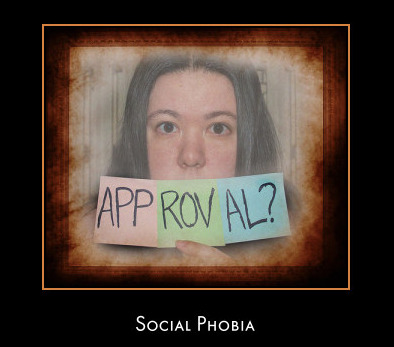
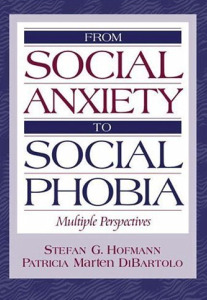
(Photo Credit: Meddygarnet) The following information is provided courtesy of The National Institute of mental Health. Social Phobia is a strong fear of being judged by others and of being embarrassed. This fear can be so strong that it gets in the way of going to work or school or doing other everyday things. People with social-phobia are afraid of doing common things in front of other people; for example, they might be afraid to sign a check in front of a cashier at the grocery store, or they might be afraid to eat or drink in front of other people. All of us have been a little bit nervous, at one time or another, about things like meeting new people or giving a speech. But people with social-phobia worry about these and other things for weeks before they happen. Most of the people who have social-phobia know that they shouldn't be as afraid as they are, but they can't control their fear. Sometimes, they end up staying away from places or events where they think they might have to do something that will embarrass them. That can keep them from doing the everyday tasks of living and from enjoying times with family and friends. Social-Phobia Symptoms People with social-phobia: When Does Social-Phobia Start? Social-phobia usually starts during the child or teen years, usually at about age 13. A doctor can tell that a person has social phobia if the person has had symptoms for at least six months. Without treatment, social phobia can last for many years or a lifetime.Is there help? Help For People With Social-Phobia The first step is to go to a doctor or health clinic to talk about symptoms. The doctor will do an exam to make sure that another physical problem isn't causing the symptoms. The doctor may make a referral to a mental health specialist. Doctors may prescribe medication to help relieve social-phobia. It's important to know that some of these medicines may take a few weeks to start working. In most states only a medical doctor (a family doctor or psychiatrist) can prescribe medications. Doctors also may ask people with social-phobia to go to therapy with a licensed social worker, psychologist, or psychiatrist. This treatment can help people with social-phobia feel less anxious and fearful. Essential ReadingFrom Social Anxiety to Social Phobia: Multiple Perspectives by Stefan G. Hofmann & Patricia M. DiBartolo PhD
Book Description Stefan G. Hofmann and Patricia M. DiBartolo have created a book that weaves together the research findings gathered by renowned minds across the various scientific disciplines: social psychology, clinical psychology, developmental psychology, psychiatry, and behavior genetics. Chapters deal with both theory and research; each one is written by different contributors, giving voice to many view points while still synthesizing the emerging data on this topic. Definition of what constitutes social-phobia. Assessment of social phobia and its relationship to other psychological disorders. The biological basis of social phobia. Approaches to treating social-phobia. See following link for more details: From Social Anxiety to Social Phobia: Multiple Perspectives Classic Articles All Psychology Students Should Read
This special Kindle collection consists of the most influential, infamous and iconic research articles ever published in the history of psychology. See following link for full details. The Psychology Classics Kindle Collection Go Back To The Main Mental Health Page Go From Social Phobia Back To The Home Page
|